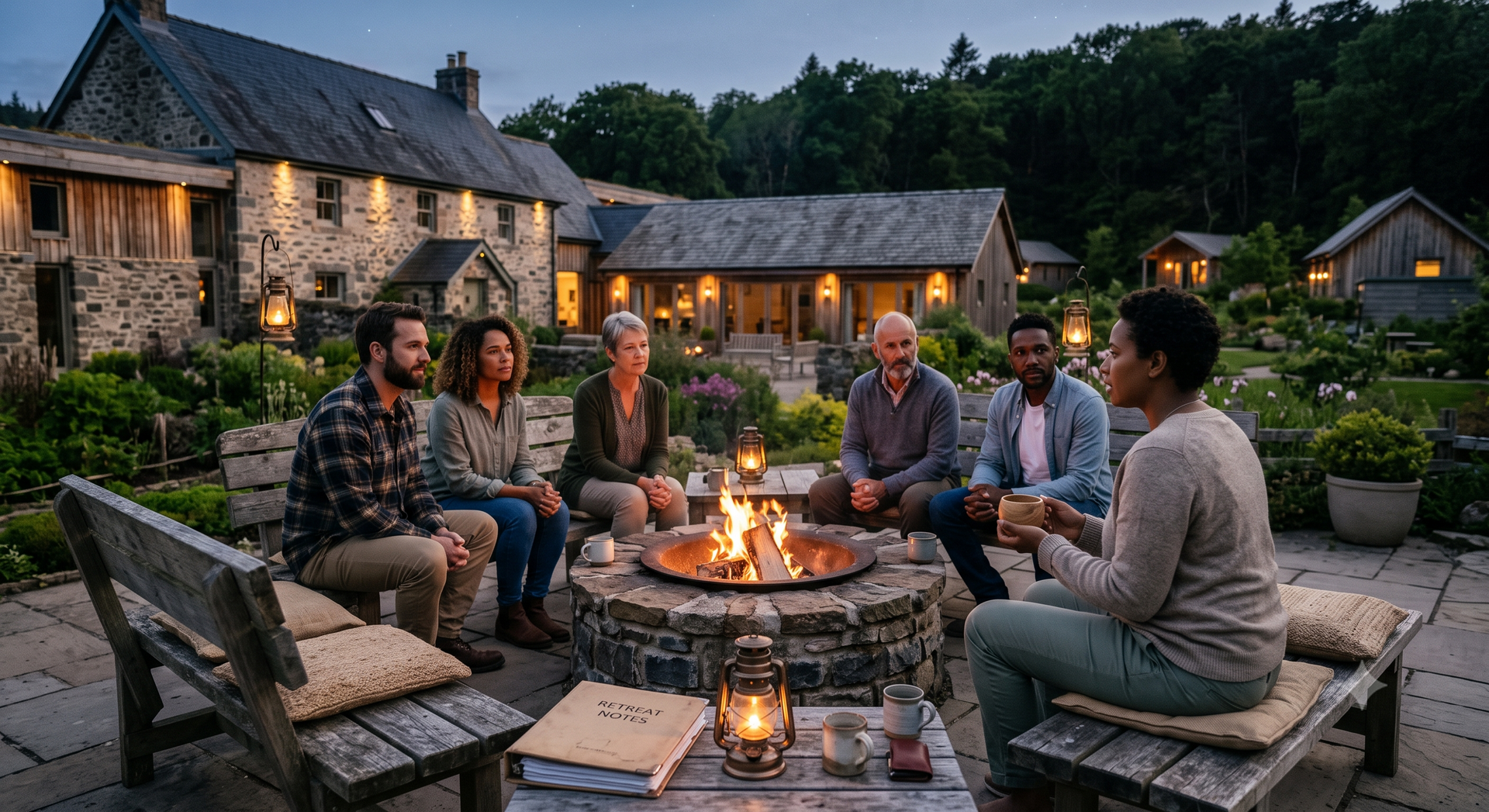
At the heart of this topic is the reminder that resilience is built through supportive relationships, healthy habits, and the courage to keep growing through life’s difficulties.

How to Strengthen Your Ability to Adapt and Thrive Building Resilience: How to Strengthen Your Ability to Adapt and Thrive
Understanding Resilience in Everyday Life
Life is full of challenges, uncertainties, and unexpected changes. While some events may feel overwhelming, resilience allows individuals to navigate difficulties and continue moving forward.
Resilience does not mean avoiding stress or hardship. Instead, it refers to the ability to adapt, recover, and grow from life’s experiences. Individuals who develop resilience are often better equipped to manage challenges while maintaining emotional balance and wellbeing.
Resilience is not a fixed trait that people are born with. It is a skill that can be strengthened over time through intentional habits, supportive relationships, and healthy coping strategies.
The Role of Mindset in Resilience
Mindset plays a significant role in how individuals respond to adversity.
People who approach challenges with a growth-oriented mindset tend to view difficulties as opportunities to learn and improve. Rather than feeling defeated by setbacks, they focus on finding solutions and adapting to new circumstances.
This perspective encourages persistence and builds confidence in one’s ability to overcome obstacles.
Developing a positive and flexible mindset can strengthen resilience and improve overall wellbeing.
Emotional Awareness and Self-Reflection
Understanding emotions is an important part of resilience.
When individuals recognize and acknowledge their emotions, they are better able to manage their reactions during stressful situations.
Self-reflection allows individuals to evaluate their experiences and gain insight into how they respond to challenges.
Practices that support emotional awareness include:
- Journaling personal experiences and thoughts
- Reflecting on emotional reactions to difficult situations
- Practicing mindfulness and meditation
- Talking with trusted friends or mentors
These practices help individuals develop greater emotional intelligence and resilience.
Building Strong Support Networks
Social connections provide valuable emotional support during challenging times.
Family members, friends, colleagues, and community groups can offer encouragement, advice, and companionship.
Having a reliable support network helps individuals feel less isolated when facing difficulties.
Strong relationships also provide opportunities to share experiences and learn from others who have navigated similar challenges.
Investing time in meaningful relationships contributes to long-term emotional resilience.
Healthy Coping Strategies
When challenges arise, individuals often rely on coping strategies to manage stress.
Healthy coping strategies support emotional balance and help individuals navigate difficult situations more effectively.
Examples of positive coping strategies include:
- Engaging in regular physical activity
- Practicing mindfulness or relaxation techniques
- Spending time in nature
- Pursuing hobbies or creative activities
These activities provide constructive outlets for stress and encourage emotional recovery.
Maintaining Physical Health
Physical health and emotional resilience are closely connected.
When the body is well cared for, individuals often have greater energy and mental clarity to manage life’s challenges.
Healthy lifestyle habits that support resilience include:
- Balanced nutrition
- Regular physical activity
- Adequate sleep and rest
- Staying hydrated
These habits strengthen the body and support emotional stability.
Learning From Challenges
Difficult experiences often provide valuable lessons.
Rather than viewing setbacks as failures, resilient individuals often interpret them as opportunities for growth.
Reflecting on past experiences can help individuals develop new skills and strategies for future challenges.
Questions that encourage reflection include:
- What did I learn from this situation?
- How did I respond to the challenge?
- What could I do differently next time?
These reflections encourage personal development and resilience.
Practicing Gratitude and Positive Thinking
Gratitude can play an important role in strengthening resilience.
Recognizing positive aspects of life—even during challenging periods—can help shift perspective and maintain emotional balance.
Gratitude practices may include:
- Writing down things to appreciate each day
- Reflecting on positive experiences
- Expressing appreciation to others
These habits encourage optimism and reinforce a balanced outlook.
Setting Realistic Goals
Setting achievable goals helps individuals maintain motivation and focus during challenging times.
Large challenges can often feel overwhelming, but breaking them into smaller, manageable steps makes progress more attainable.
Each small accomplishment builds confidence and reinforces the ability to overcome obstacles.
Gradual progress supports long-term resilience.
Developing Adaptability
Adaptability is a key component of resilience.
Life circumstances may change unexpectedly, requiring individuals to adjust their plans or expectations.
Flexible thinking allows individuals to explore new possibilities rather than becoming discouraged by obstacles.
Adaptability encourages creativity, problem-solving, and openness to change.
The Importance of Self-Compassion
Resilience also involves treating oneself with kindness and understanding.
Many individuals are quick to criticize themselves when they experience setbacks. However, self-compassion encourages a more supportive approach.
Practicing self-compassion involves acknowledging challenges without judgment and recognizing that difficulties are part of the human experience.
This mindset promotes emotional healing and encourages continued growth.
Building Confidence Through Experience
Each time individuals successfully navigate challenges, they strengthen their confidence and resilience.
Over time, these experiences build a sense of personal capability.
Confidence grows when individuals recognize their ability to adapt, learn, and move forward despite difficulties.
This confidence becomes a valuable resource for future challenges.
A Lifelong Process of Growth
Resilience is not developed overnight. It evolves gradually through life experiences, learning, and personal growth.
Every challenge offers an opportunity to strengthen emotional resilience and deepen self-understanding.
By cultivating supportive habits, maintaining strong relationships, and approaching challenges with curiosity and determination, individuals can develop the resilience needed to thrive in an ever-changing world.
Share Articles and Blogs
Recent Articles and Blogs