The Science of Sensory Deprivation and Its Place in the Modern Wellness Facility
Introduction: Floating Toward Stillness
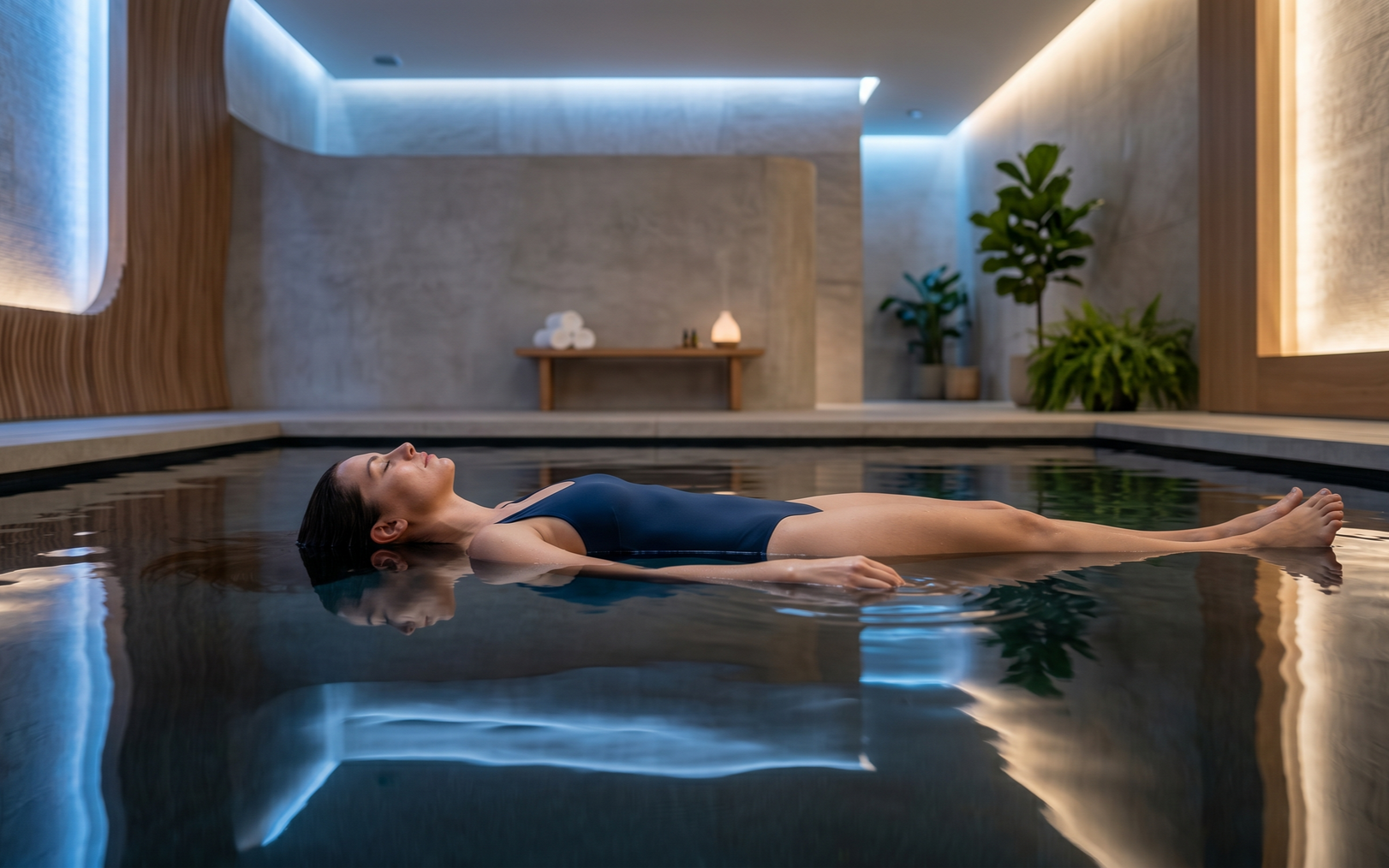
Few wellness experiences are as immediately striking and deeply unfamiliar to the uninitiated as floatation therapy. Also called Restricted Environmental Stimulation Therapy (REST), floatation involves lying in a shallow pool containing water heavily saturated with Epsom salts (magnesium sulphate), rendering the body effortlessly buoyant. The water is heated to skin temperature (approximately 34 to 35 degrees Celsius), the environment is soundproof, and if the client chooses, the interior is completely darkened. The result is a state of near-total sensory deprivation that the nervous system can use for profound recovery, creativity, and psychological processing.
At Wellness World Media, we have followed the evolution of floatation therapy from its origins in John Lilly's 1950s neuroscience research through to its current position as a respected amenity in premium wellness facilities worldwide. The research base has matured considerably, the technology has improved dramatically, and client awareness — while still building — is growing consistently. For wellness facility operators positioned at the premium or clinical end of the market, floatation therapy deserves serious consideration.
The Neuroscience of the Float State
The brain is the body's most metabolically expensive organ, consuming approximately 20% of the body's total energy despite representing only 2% of its mass. Under normal conditions, the brain is continuously processing an enormous volume of sensory input — visual, auditory, proprioceptive, vestibular, thermal, and tactile signals that require constant monitoring and interpretation.
In the float tank, the elimination of virtually all external sensory input removes this processing burden. The brain is freed from the task of managing sensory data and can redirect resources toward internal processes — memory consolidation, emotional processing, creative insight, and the deep restorative functions associated with theta brainwave states. EEG studies of individuals in float environments have documented shifts from beta and alpha brainwave activity toward theta dominance — the same brainwave state that characterises REM sleep and deep meditation — within 30 to 60 minutes of immersion.
Research at the Laureate Institute for Brain Research (LIBR) in Oklahoma, which has conducted some of the most rigorous clinical investigations of floatation REST, has documented remarkable effects on anxiety in participants with anxiety disorder. A single 90-minute float session produced significant reductions in state anxiety, muscle tension, pain, depression, and negative affect, while increasing serenity, relaxation, happiness, and positive affect. Remarkably, the anxiety reductions were comparable to those achieved through established pharmacological and psychological interventions, without any adverse effects.
The magnesium sulphate solution that creates buoyancy in the float tank also offers a pathway for transdermal magnesium absorption — a mineral in which a large proportion of the population is deficient due to soil depletion and dietary factors. Magnesium is essential for hundreds of enzymatic processes, muscle relaxation, nerve function, and sleep regulation. While the transdermal absorption debate is not fully resolved in the literature, the combination of genuine relaxation and potential magnesium repletion makes the float environment uniquely supportive.
Physical Recovery Applications of Floatation
Beyond its psychological and neurological benefits, floatation therapy offers substantive physical recovery benefits. The zero-gravity environment achieved through Epsom salt buoyancy completely unloads the musculoskeletal system. Spinal compression — an inevitable consequence of spending the day upright against gravity — reverses. Intervertebral discs rehydrate. Muscles that have been chronically contracted to maintain posture release their tension without voluntary effort.
For elite athletes — who are among the most consistent users of commercial float facilities globally — this gravitational unloading combined with the reduced inflammatory state associated with the float environment creates an optimal recovery window. Post-competition floats have been reported to reduce perceived pain, improve sleep quality the following night, and accelerate the subjective sense of readiness for training resumption.
For clients managing chronic pain conditions including fibromyalgia, lower back pain, and repetitive strain injuries, regular floatation sessions offer a non-pharmacological pain management option with a strong mechanism and emerging evidence base. The combination of muscle relaxation, spinal decompression, and central nervous system downregulation addresses multiple pain pathways simultaneously.
Operational Excellence in Float Centre Management
Running a commercial float facility requires meticulous attention to water hygiene, equipment maintenance, and client experience management. The float solution must be maintained at precise specific gravity (for consistent buoyancy), temperature, and microbiological safety. Advanced filtration systems using UV sterilisation and ozone treatment, supplemented by careful hydrogen peroxide management, are the industry standard for water quality in commercial float environments.
Client experience management is equally important. First-time floaters often go through a period of mental adjustment — the unfamiliarity of sensory deprivation, a tendency toward anxiety or claustrophobia in some individuals, and the challenge of "switching off" a busy mind. Excellent facilities invest in pre-float consultation, detailed orientation sessions, post-float integration conversations, and flexible tank formats (open float pools for the claustrophobia-sensitive, as well as traditional enclosed float pods for deeper immersion) that cater to a range of client needs.
For facilities managing float bookings alongside other wellness amenities, the operational benefits of a dedicated wellness management platform — covering scheduling, client intake, membership management, and payment processing — are significant. Our Club Manager and Billing resource can guide operators toward solutions that match the complexity of a multi-modal wellness environment.
Insurance, Regulation, and the Future of Float
Float facilities carry specific hygiene and liability considerations that standard wellness insurance policies may not address. Water quality failures — while preventable with proper protocols — create public health liability exposure. Equipment failure (temperature regulation, filtration, lighting) can create genuine safety events. As our Wellness Insurance page makes clear, specialist wellness insurance structured specifically for float operations is essential for operators in this space.
The future of floatation therapy in the wellness industry is bright. As the mental health crisis continues to grow globally, non-pharmacological interventions that demonstrably reduce anxiety and promote recovery are increasingly valuable. As elite performance culture continues to influence mainstream wellness, recovery modalities with strong athlete endorsement translate well to broader client populations. And as wellness facilities seek differentiators that create genuine depth of experience, few amenities are as memorable, as research-backed, or as conversation-generating as a well-delivered float session.
Wellness World Media is committed to advancing the credibility and quality of float therapy as a wellness modality. Explore our expert articles at
wellnessworldmedia.com.au/articles, subscribe to our magazine for ongoing insights at
wellnessworldmedia.com.au/subscribe, and if you operate a float facility and wish to contribute your expertise to our community, we warmly welcome you at
wellnessworldmedia.com.au/get-involved. Together, we are building the industry standard that wellness professionals and the clients they serve deserve.
Share Articles and Blogs
Recent Articles and Blogs