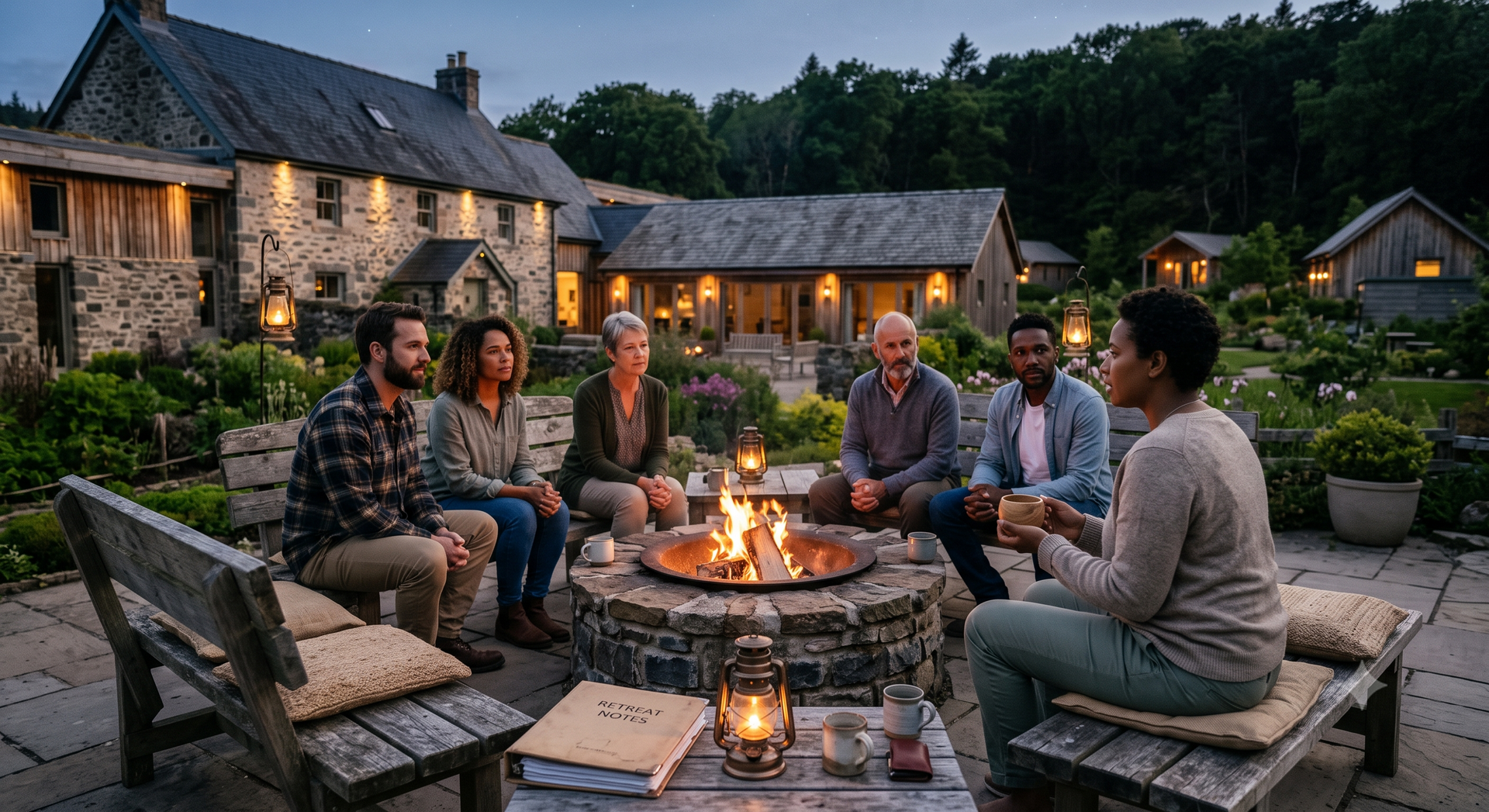
Personal growth often begins with a simple realization: accepting where we are today creates the foundation for meaningful and lasting change.

New Perspective on Happiness: How Embracing Change Can Transform Your Health and Wellbeing
Why Personal Growth Begins with Acceptance
Change is always part of life, but many people find it hard to accept. Adjusting to a new job, facing personal challenges, or even changing daily routines can feel uncomfortable. Still, learning to welcome change can be a powerful way to find lasting happiness and wellbeing.
Today, many people look for ways to improve their health, build mental strength, and find emotional balance. Wellness is not just about diet and exercise anymore. It is about building a lifestyle that encourages growth, adaptability, and self-awareness.
A key part of this journey is realizing that true wellbeing starts when we accept ourselves as we are and stay open to change.
Understanding the Relationship Between Change and Wellness
Many people think of wellness as routines like morning workouts, balanced meals, meditation, and set schedules. Routines are helpful, but they can also make us feel like we have more control than we really do. Life is often unpredictable, so our ability to adapt is what truly shows our resilience.
Psychologists often talk about psychological flexibility, which means being able to change how we think and act when things change. People who build this skill usually have less stress, better control over their emotions, and improved health.
When we stop fighting change and start accepting it, we open ourselves up to personal growth. By trying new ways of thinking, people often find strengths and opportunities they did not know they had.
The Role of Self-Awareness in Personal Transformation
Before real change can happen, people need to understand themselves better. Self-awareness means noticing your thoughts, feelings, actions, and habits that affect your daily choices.
Many wellness experts suggest that the journey toward improved health begins with asking simple yet powerful questions:
- What habits are supporting my wellbeing?
- What patterns are holding me back?
- What areas of my life need attention or improvement?
These questions help you reflect and find areas where making changes could improve your health.
Journaling, meditation, and mindfulness are great ways to build self-awareness. When you slow down and notice your thoughts and feelings without judging them, you can see more clearly what is important to you.
Positive Change
One of the most common areas where people seek transformation is their diet. Food plays a central role in overall wellbeing, influencing energy levels, mood, and long-term health.
Instead of strict diets, modern wellness focuses on balanced and mindful eating. This means choosing whole foods, paying attention to your body’s signals, and building a healthy relationship with food.
Key principles of mindful nutrition include:
- Eating a variety of fresh, whole foods
- Paying attention to hunger and fullness cues
- Reducing reliance on heavily processed foods
- Prioritizing hydration and balanced meals
When people approach food with curiosity instead of guilt, eating becomes a way to feel better instead of something stressful.
Movement as Self-Care
Exercise is another powerful avenue for positive change, yet many people struggle to maintain consistent fitness routines. Often, this challenge stems from viewing exercise as an obligation rather than an opportunity for self-care.
You do not need intense workouts or strict gym routines to benefit from movement. Activities like walking, yoga, swimming, dancing, or cycling can be fun and still help your health.
Research consistently shows that regular movement supports:
- Cardiovascular health
- Improved mood and reduced anxiety
- Better sleep quality
- Increased energy levels
When people look forward to exercise instead of feeling pressured, it becomes a natural part of their routine.
Mindfulness and Managing Change
Mindfulness is now a popular wellness practice, and for good reason. It comes from ancient meditation traditions and teaches people to focus on the present instead of worrying about the past or future.
Practicing mindfulness can help people handle change by creating a sense of calm and perspective. When you notice your thoughts and feelings without reacting right away, you have more control over how you respond to challenges.
Simple mindfulness practices include:
- Deep breathing exercises
- Guided meditation
- Nature walks
- Mindful eating
Even spending just a few minutes on mindfulness each day can lower stress and help you handle emotions better.
Letting Go of Perfection
Embracing change also means releasing the pressure to be perfect. Many individuals set unrealistic expectations for themselves, believing that success requires flawless execution.
In truth, growth usually means trying things out and making mistakes. Setbacks and surprises are not failures; they are chances to learn.
When people focus on progress instead of perfection, they give themselves room to try new things and be creative. This way of thinking encourages curiosity and helps people explore new ideas without worrying about being judged.
Building a Supportive Environment
Personal change rarely happens alone. The people and places around us, like friends, family, work, and community, have a big impact on our wellbeing.
Having supportive people around you can make a big difference during times of change. Encouragement, understanding, and shared experiences help you feel connected and build resilience.
Supportive environments may include:
- Wellness communities
- Support groups
- Mentors or coaches
- Friends who share similar health goals
These relationships give you motivation, help you stay on track, and offer emotional support when you are going through changes.
The Connection Between Nature and Wellbeing
Recently, researchers have studied how nature affects mental health. Being outdoors can lower stress, boost your mood, and help your mind work better.
Nature reminds us that growth and renewal are natural. Just like the seasons change and ecosystems grow, people also go through different stages of change.
Simple ways to reconnect with nature include:
- Walking in parks or green spaces
- Gardening
- Hiking or outdoor recreation
- Practicing mindfulness outdoors
These activities help people slow down and enjoy the present moment.
Maintaining Long-Term Change
One of the hardest parts of personal growth is keeping up progress over time. Many people start their wellness journey excited but find it hard to keep new habits going.
The secret to lasting change is taking small, steady steps instead of trying to change everything at once.
Instead of attempting to transform everything at once, individuals can focus on gradual improvements, such as:
- Adding one healthy meal each day
- Incorporating short daily walks
- Practicing mindfulness for five minutes
- Prioritizing sleep and recovery
Over time, these small changes add up and lead to real improvements in your life.
Embracing the Journey
In the end, wellbeing is not about reaching a finish line. It is about enjoying the ongoing journey of learning about yourself, growing, and adapting.
Every stage of life brings new chances to learn, grow, and rethink what matters most. By staying open to change and facing challenges with curiosity, people can build resilience and find balance.
Health rarely follows a straight line. Instead, it unfolds through experiences that shape perspective, deepen understanding, and inspire transformation.
When people start to welcome change instead of fearing it, they open the door to a richer and more fulfilling life.
Share Articles and Blogs
Recent Articles and Blogs