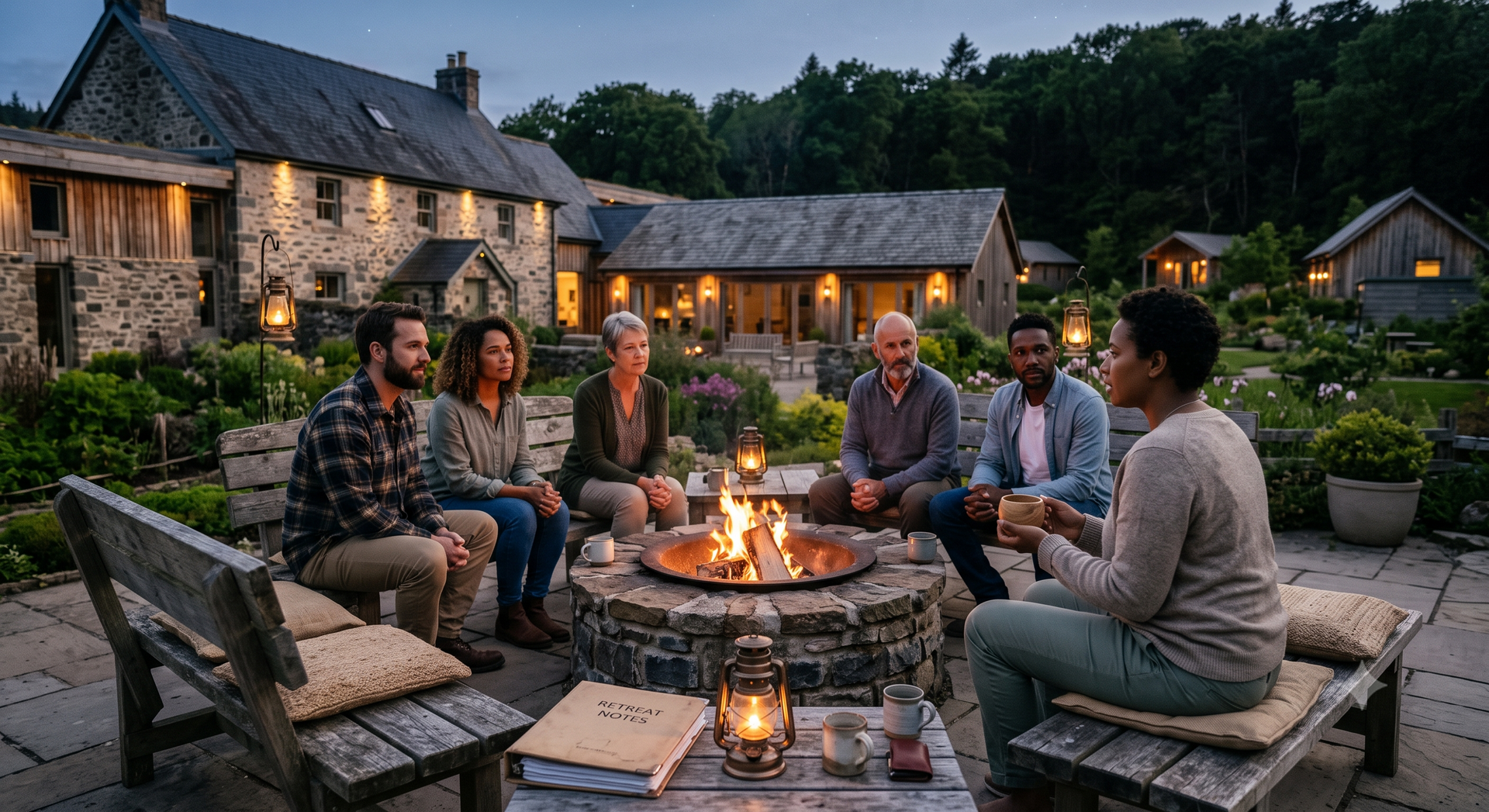
This topic reminds us that stepping away from daily pressures can restore mental clarity, emotional balance, and the energy needed to approach life with renewed perspective.

Retreat, Recharge, Renew: How Wellness Getaways Can Transform Your Mind and Body
Why Taking Time Away Matters
Modern life rarely slows down. Work responsibilities, digital connectivity, family obligations, and endless notifications often create a lifestyle where people feel constantly “on.” While productivity and ambition can drive success, they can also lead to burnout, stress, and emotional exhaustion if not balanced with periods of rest.
This is where wellness retreats and intentional getaways can make a profound difference. Unlike typical vacations focused solely on sightseeing or entertainment, wellness retreats are designed to restore balance to the mind, body, and emotional wellbeing.
By stepping away from everyday pressures and immersing themselves in environments that promote relaxation and reflection, individuals often return feeling re-energized, mentally clearer, and physically healthier.
Understanding the Concept of Wellness Retreats
A wellness retreat is a structured experience designed to promote holistic health. These retreats typically combine elements such as relaxation, physical activity, nutritious meals, mindfulness practices, and personal development.
While each retreat may offer different programs, many focus on common themes such as:
- Stress reduction
- Mindfulness and meditation
- Fitness and movement
- Nutrition and healthy eating
- Personal reflection and growth
The goal is not just temporary relaxation but long-term wellbeing. Participants often leave retreats with new habits, insights, and tools that can be integrated into daily life.
The Science Behind Rest and Recovery
Taking intentional breaks from daily routines is more than just a luxury—it is essential for maintaining overall health.
Continuous stress activates the body’s fight-or-flight response, releasing stress hormones such as cortisol and adrenaline. While this response can be helpful in short-term situations, prolonged activation can lead to fatigue, anxiety, and weakened immunity.
Rest and relaxation allow the body to activate its rest-and-recovery system, which promotes healing, emotional balance, and mental clarity.
During wellness retreats, individuals often experience:
- Lower stress levels
- Improved sleep quality
- Reduced mental fatigue
- Increased emotional awareness
These benefits occur because the environment encourages relaxation and self-care.
Disconnecting From Digital Distractions
One of the most valuable aspects of wellness retreats is the opportunity to disconnect from digital distractions.
In everyday life, smartphones and computers constantly demand attention. Notifications, emails, and social media updates can fragment focus and prevent the mind from truly resting.
Many wellness retreats encourage participants to limit or completely step away from digital devices during their stay.
This digital detox allows individuals to reconnect with themselves and their surroundings. Without constant notifications, people often rediscover the ability to focus deeply, reflect quietly, and appreciate simple moments.
Even a short break from digital stimulation can significantly reduce mental overload.
Movement as a Path to Renewal
Physical activity is often a key component of wellness retreats. However, the focus is typically on mindful movement rather than intense workouts.
Activities may include:
- Yoga or stretching sessions
- Nature hikes or guided walks
- Swimming or water therapy
- Light strength training or fitness classes
These activities promote circulation, improve flexibility, and release endorphins that elevate mood.
Movement in natural environments—such as beaches, forests, or mountains—can amplify these benefits. Natural settings provide calming sensory experiences that support relaxation and mental clarity.
Nourishing the Body With Healthy Food
Nutrition plays an important role in wellness retreats. Many retreats emphasize fresh, balanced meals that support energy, digestion, and overall health.
Meals often include:
- Whole fruits and vegetables
- Lean proteins and plant-based options
- Healthy fats and whole grains
- Hydrating beverages and herbal teas
Unlike restrictive diets, retreat meals typically focus on mindful nourishment. Participants are encouraged to enjoy food slowly and appreciate the connection between nutrition and wellbeing.
Learning about healthy food preparation and mindful eating can inspire lasting changes in everyday eating habits.
The Power of Mindfulness and Meditation
Mindfulness practices are central to many wellness retreats.
Meditation sessions, breathing exercises, and guided relaxation help participants calm the mind and reconnect with the present moment.
Mindfulness encourages individuals to observe thoughts and emotions without judgment. This awareness can lead to deeper insights about personal habits, stress triggers, and emotional patterns.
Benefits of mindfulness practices include:
- Reduced anxiety and stress
- Improved emotional balance
- Greater focus and clarity
- Increased self-awareness
Many retreat participants discover that mindfulness techniques learned during their stay become valuable tools for managing everyday challenges.
Nature as a Healing Environment
Wellness retreats are often located in peaceful natural environments such as coastal areas, mountains, forests, or countryside settings.
Nature plays a powerful role in healing and restoration.
Studies have shown that spending time in natural environments can:
- Lower blood pressure
- Reduce stress hormones
- Improve mood and mental clarity
- Increase creativity and problem-solving ability
Nature encourages individuals to slow down and appreciate the rhythm of the natural world.
Simple activities such as watching a sunrise, walking through a forest trail, or listening to ocean waves can have profound calming effects.
Personal Reflection and Self-Discovery
Another valuable aspect of wellness retreats is the opportunity for reflection.
When individuals step away from everyday distractions, they gain space to evaluate personal priorities and goals.
Retreat programs often include reflective practices such as:
- Journaling sessions
- Personal coaching or workshops
- Group discussions
- Silent meditation periods
These experiences allow participants to explore questions such as:
- What changes would improve my wellbeing?
- What habits no longer support my health?
- What goals truly matter to me?
Reflection encourages clarity and personal insight.
Building New Habits
One of the lasting benefits of wellness retreats is the opportunity to develop healthier habits.
Participants often experience what it feels like to maintain routines that prioritize wellbeing.
Examples may include:
- Beginning the day with meditation or stretching
- Eating balanced meals at regular times
- Spending time outdoors
- Practicing gratitude or reflection
Experiencing these habits in a supportive environment makes it easier to continue them after returning home.
Small adjustments inspired by retreat experiences can lead to meaningful improvements in daily life.
Strengthening Social Connections
Wellness retreats also create opportunities for meaningful social interactions.
Participants often share experiences with individuals who are also seeking personal growth and wellbeing.
Group activities, workshops, and shared meals encourage conversation and connection.
These connections can foster:
- Mutual encouragement
- Shared learning
- Emotional support
- Lasting friendships
Feeling connected to others with similar goals can reinforce motivation for maintaining healthy habits.
Bringing Retreat Lessons Into Everyday Life
While retreats offer valuable experiences, their true impact occurs when lessons are integrated into everyday routines.
After returning home, individuals can maintain benefits by:
- Continuing mindfulness practices
- Prioritizing regular movement and healthy eating
- Setting boundaries around work and digital distractions
- Scheduling regular time for rest and reflection
These small adjustments help preserve the sense of balance and clarity gained during the retreat experience.
Making Time for Renewal
Wellness retreats highlight an important truth: taking time to rest and recharge is not selfish—it is necessary.
When individuals invest in their wellbeing, they gain the energy and clarity needed to support their responsibilities, relationships, and goals.
Retreats offer a reminder that health is not just about productivity but about balance.
By occasionally stepping away from daily pressures and focusing on self-care, individuals can return to their lives with renewed strength, perspective, and purpose.
Share Articles and Blogs
Recent Articles and Blogs