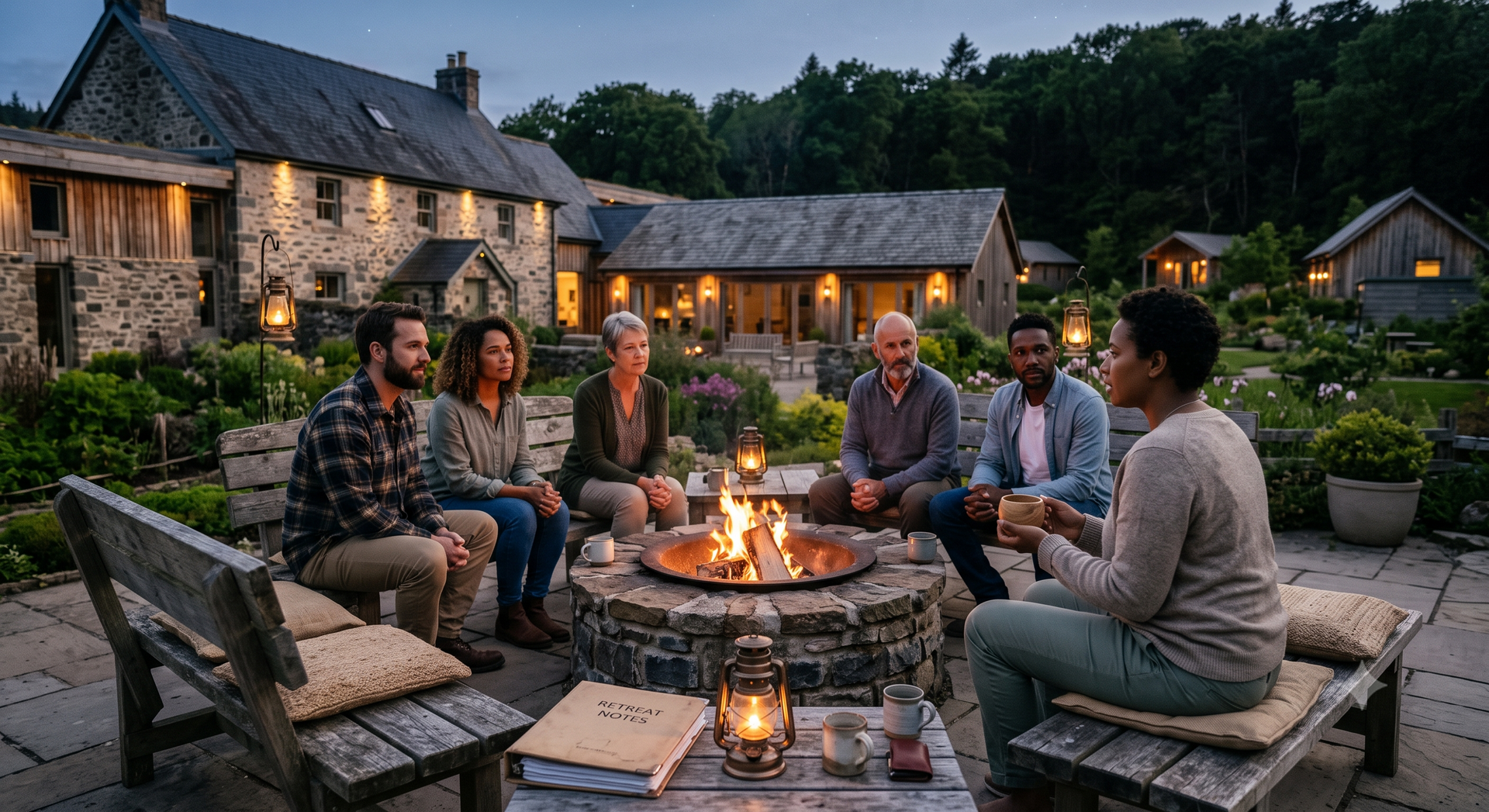
In this blog , we explore how true balance comes from nurturing health, relationships, purpose, and rest so they grow together rather than compete for our time.
Creating a Balanced Life: Bringing Mind, Body, and Lifestyle Into Harmony
Understanding the Meaning of Balance
In today’s fast-paced world, many people struggle to maintain balance in their lives. Work responsibilities, family commitments, financial concerns, and constant digital connectivity can make it difficult to find time for personal wellbeing.
Living a balanced life does not mean eliminating responsibilities or challenges. Instead, it involves creating harmony between different areas of life so that physical health, emotional wellbeing, relationships, and personal growth can coexist.
When individuals achieve greater balance, they often experience improved energy, stronger relationships, and a deeper sense of fulfillment.
The Key Areas of Life Balance
Creating balance begins with recognizing the major areas of life that influence wellbeing.
These areas often include:
- Physical health
- Mental and emotional wellbeing
- Relationships and social connections
- Career or personal development
- Leisure and personal interests
When one area dominates at the expense of others, imbalance can occur. By paying attention to these different aspects, individuals can begin making adjustments that support a healthier lifestyle.
Physical Health as the Foundation
A balanced life begins with caring for the body. Physical health provides the energy and strength needed to manage daily responsibilities and pursue meaningful goals.
Important aspects of physical wellbeing include:
- Regular physical activity
- Balanced nutrition
- Adequate sleep and recovery
- Proper hydration
Maintaining these habits helps individuals stay energized and resilient when facing challenges.
Supporting Mental and Emotional Wellbeing
Mental and emotional health are equally important components of life balance.
Stress, worry, and emotional exhaustion can interfere with productivity and personal satisfaction.
Practices that support mental wellbeing may include:
- Mindfulness or meditation
- Journaling or reflective writing
- Relaxation techniques such as deep breathing
- Seeking support from trusted individuals
These activities help individuals process emotions and maintain psychological balance.
The Importance of Meaningful Relationships
Humans are naturally social beings, and relationships play a vital role in overall happiness.
Spending time with supportive friends, family members, and communities provides emotional encouragement and a sense of belonging.
Healthy relationships are built through:
- Open communication
- Active listening
- Shared experiences and activities
- Mutual respect and understanding
Investing time in relationships strengthens emotional wellbeing and social connection.
Finding Purpose in Work and Personal Growth
Work and personal development often provide a sense of purpose and accomplishment.
However, when work responsibilities become overwhelming, they can contribute to stress and imbalance.
Maintaining perspective is essential. While career growth and productivity are valuable, they should be balanced with time for rest, relationships, and personal interests.
Continued learning, creative pursuits, and personal growth activities can also provide a sense of fulfillment beyond professional responsibilities.
Making Time for Leisure and Recreation
Leisure activities are sometimes viewed as optional, yet they play an important role in maintaining balance.
Engaging in hobbies or recreational activities allows individuals to relax, recharge, and experience enjoyment outside of daily responsibilities.
Examples of leisure activities include:
- Reading or creative hobbies
- Outdoor recreation
- Sports or physical activities
- Social gatherings with friends
These experiences contribute to emotional wellbeing and help reduce stress.
Setting Boundaries to Protect Balance
Maintaining balance often requires setting clear boundaries.
Without boundaries, individuals may become overwhelmed by commitments or expectations.
Healthy boundaries may involve:
- Establishing defined work hours
- Limiting unnecessary obligations
- Protecting personal time for rest and recreation
- Learning to say no when necessary
Setting boundaries helps individuals prioritize wellbeing while still fulfilling responsibilities.
Managing Time Effectively
Time management plays an important role in achieving life balance.
Organizing tasks and responsibilities allows individuals to allocate time for work, relationships, and personal wellbeing.
Helpful time management strategies include:
- Prioritizing important tasks
- Scheduling time for rest and recreation
- Breaking large projects into smaller steps
- Avoiding excessive multitasking
These practices help individuals maintain productivity without sacrificing personal wellbeing.
Adapting to Life’s Changing Circumstances
Life is constantly evolving, and maintaining balance often requires flexibility.
Major life events, career changes, family responsibilities, and unexpected challenges can all affect daily routines.
Adapting to these changes with patience and openness allows individuals to maintain perspective and resilience.
Balance is not static—it evolves as life circumstances change.
The Role of Self-Awareness
Self-awareness helps individuals recognize when imbalance occurs.
By regularly reflecting on how they feel physically, emotionally, and mentally, individuals can identify areas that may require adjustment.
Questions that encourage reflection include:
- Am I getting enough rest and relaxation?
- Am I maintaining healthy relationships?
- Do my daily activities align with my values and goals?
These reflections provide insight into how to restore balance when needed.
Small Changes That Make a Big Difference
Achieving life balance does not require dramatic transformations.
Small adjustments in daily routines can gradually improve wellbeing.
Examples include:
- Taking short breaks during busy days
- Scheduling time for exercise or relaxation
- Reducing unnecessary digital distractions
- Spending time with loved ones
These simple changes can create a healthier and more balanced lifestyle.
Living With Intention
A balanced life often emerges when individuals make intentional choices about how they spend their time and energy.
By prioritizing activities that support health, relationships, and personal growth, individuals can create lives that reflect their values.
Intentional living encourages individuals to focus on what truly matters rather than becoming overwhelmed by external pressures.
A Lifelong Journey Toward Balance
Life balance is not something that is achieved once and maintained forever. It requires ongoing awareness, adjustments, and reflection.
As circumstances change, individuals may need to reevaluate priorities and adapt their routines.
By maintaining awareness and practicing healthy habits, individuals can create lifestyles that support long-term wellbeing.
Creating Harmony in Everyday Life
Ultimately, a balanced life is about harmony—ensuring that work, health, relationships, and personal interests all have space to flourish.
When individuals cultivate balance, they often experience greater satisfaction, improved health, and stronger connections with others.
Through mindful choices, supportive habits, and intentional living, it is possible to create a life that feels both productive and fulfilling.
Share Articles and Blogs
Recent Articles and Blogs