A reflection on how martial arts training builds resilience, discipline, and inner balance, helping practitioners grow stronger in both body and character through lifelong practice.
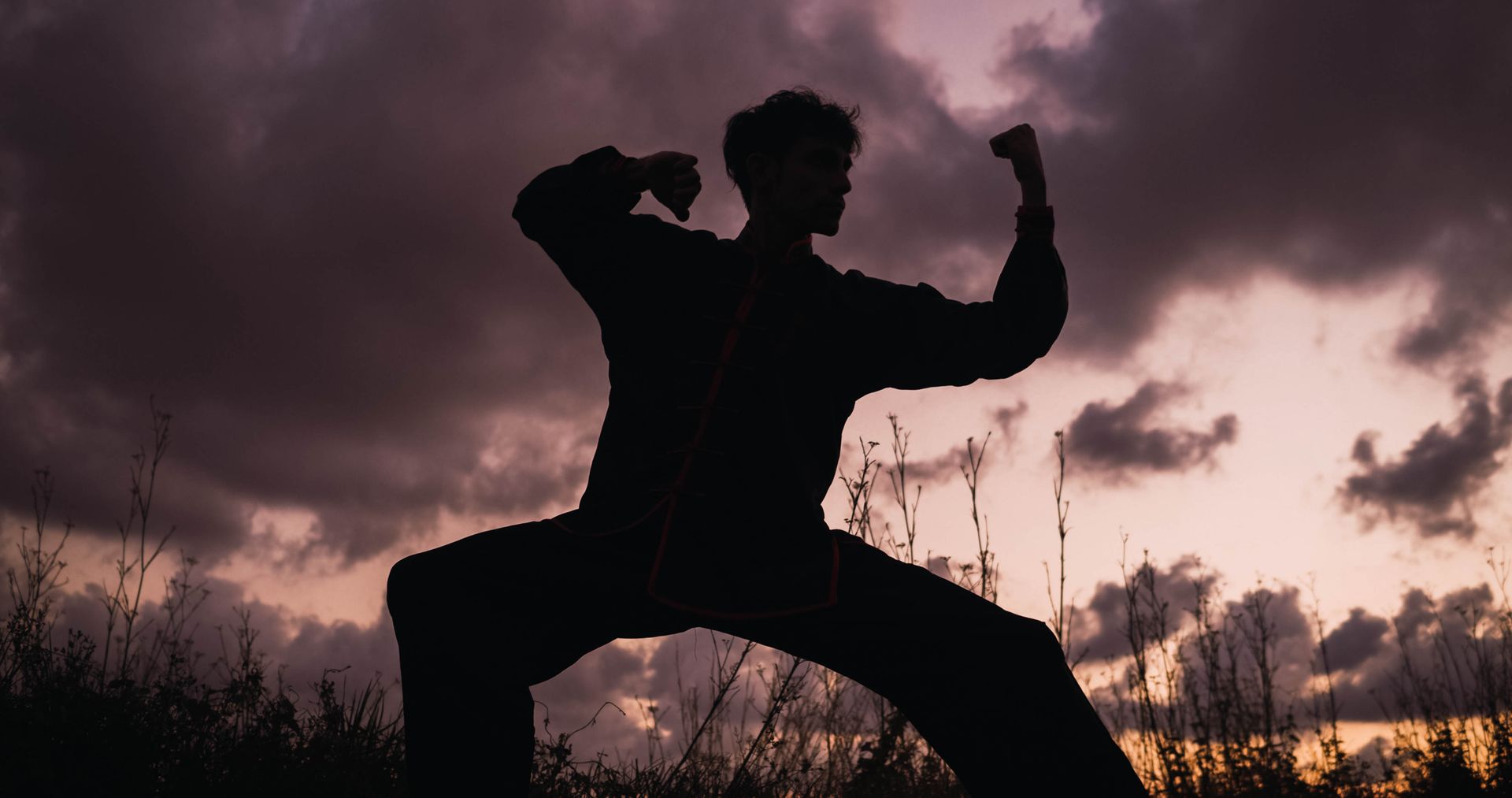
The Warrior’s Wellness
Developing Resilience Through Martial Arts Practice
Resilience is one of the most valuable qualities a person can develop.
Life inevitably presents challenges—physical demands, mental pressures, unexpected setbacks, and moments of uncertainty. The ability to remain steady during these moments often determines how successfully individuals move forward.
Martial arts training provides a practical and time-tested way to develop this resilience.
While many people initially associate martial arts with physical strength or self-defence, those who train for longer periods begin to recognise that the deeper value of martial arts lies in the lessons it teaches about perseverance, discipline, and self-control.
Through consistent practice, martial arts helps individuals build the kind of resilience that supports both physical and mental wellbeing.
Facing Challenges Through Training
Every martial arts student encounters challenges early in their training.
Techniques may feel awkward at first. Balance may be difficult to maintain. Coordination takes time to develop. Even basic movements can require patience and repetition before they begin to feel natural.
These early difficulties are an important part of the learning process.
Students gradually learn that improvement does not occur instantly. Progress requires persistence, attention to detail, and a willingness to continue practicing even when results are not immediately visible.
By facing these small challenges regularly, practitioners begin to develop a mindset that values effort and perseverance.
Over time, this mindset becomes one of the strongest foundations of resilience.
Physical Strength and Endurance
Martial arts training naturally strengthens the body.
Classes often include drills that develop cardiovascular endurance, muscular strength, flexibility, and coordination. These elements contribute not only to improved physical performance but also to overall health and vitality.
However, physical development in martial arts is rarely about pushing the body to extremes.
Instead, the emphasis is placed on steady improvement through balanced training. Practitioners learn to listen to their bodies, adjust their effort appropriately, and maintain consistent progress.
This balanced approach helps students develop physical resilience—the ability to continue performing and improving while managing fatigue and avoiding injury.
The body becomes stronger, more adaptable, and better prepared to handle the physical demands of both training and daily life.
Mental Toughness Through Discipline
Resilience is not only physical. It is also mental.
Martial arts training regularly places students in situations where they must concentrate, remain calm, and respond effectively under pressure.
During sparring exercises, students must think clearly while managing movement and timing. During technical drills, they must remain focused on precise details while repeating movements many times.
These experiences strengthen mental discipline.
Students learn to remain composed when faced with difficulty. Instead of reacting emotionally to challenges, they begin to approach problems with patience and determination.
This mental toughness becomes valuable in many aspects of life. The ability to remain calm and focused during challenging situations is a skill that extends far beyond the training floor.
Learning from Setbacks
No martial artist progresses without setbacks.
A technique may take longer than expected to master. A grading examination may present unexpected challenges. Training partners may demonstrate higher levels of experience or ability.
These moments can be frustrating, especially for beginners.
However, martial arts teaches an important lesson: setbacks are not failures—they are opportunities for learning.
Each difficulty encourages students to analyse their performance, adjust their approach, and continue improving.
Over time, practitioners develop a healthier relationship with challenges. Instead of avoiding them, they begin to view them as essential parts of growth.
This perspective strengthens resilience and encourages a mindset that embraces continuous learning.
Emotional Balance Through Practice
Another important aspect of resilience is emotional balance.
Modern life often places significant pressure on individuals, creating stress that can affect both mental and physical health. Martial arts training provides a constructive way to manage these pressures.
The combination of physical movement and mental focus helps release tension while promoting clarity and calmness.
Training sessions provide a structured environment where students can temporarily step away from daily concerns and concentrate on purposeful activity.
Many practitioners find that regular training improves their mood, reduces stress, and enhances their ability to manage difficult situations.
Over time, martial arts becomes an important tool for maintaining emotional stability.
The Role of Community in Resilience
Resilience is often strengthened through shared experience.
Martial arts schools provide a supportive environment where students train together, encourage each other, and celebrate each other’s progress.
Training partners help create challenges while also offering support and motivation. Instructors provide guidance and reassurance when students encounter difficulties.
This sense of community reinforces the resilience developed through individual effort.
When students know they are supported by others who share their journey, they are more likely to persevere through challenges.
The dojo becomes a place where individuals build not only skill but also confidence and determination.
A Lifelong Practice
One of the greatest strengths of martial arts is its ability to support resilience throughout a lifetime.
Young practitioners develop discipline and confidence through structured training. Adults maintain physical fitness while balancing professional and family responsibilities. Older practitioners continue to benefit from movement, coordination, and mental engagement.
The training evolves as the practitioner grows.
Early stages may emphasise physical conditioning and technical skill. Later stages often focus on efficiency, wisdom, and personal development.
Regardless of age or experience, the practice continues to strengthen resilience.
Strength Beyond Technique
Ultimately, the resilience developed through martial arts goes far beyond technical ability.
It influences how individuals approach challenges, setbacks, and responsibilities in their daily lives.
Practitioners learn to remain patient during difficult moments, to persevere when progress feels slow, and to approach obstacles with determination rather than frustration.
These qualities contribute significantly to long-term wellbeing.
Strength, in this sense, is not simply physical power. It is the ability to remain steady, focused, and resilient when facing life’s challenges.
The True Meaning of the Warrior’s Path
The image of the warrior is often associated with combat and physical skill.
Yet the deeper meaning of the warrior’s path lies in self-discipline, integrity, and resilience.
Martial arts training teaches individuals how to develop these qualities through consistent effort and thoughtful practice.
By strengthening both body and mind, practitioners build the resilience needed to navigate life’s challenges with confidence and balance.
And in doing so, they discover that the greatest victory in martial arts is not over an opponent—but over the limitations they once believed they had.
Share Articles and Blogs
Recent Articles and Blogs