The ideas explored here highlight that developing healthy ways to respond to stress helps individuals maintain balance, clarity, and resilience in an increasingly demanding world.
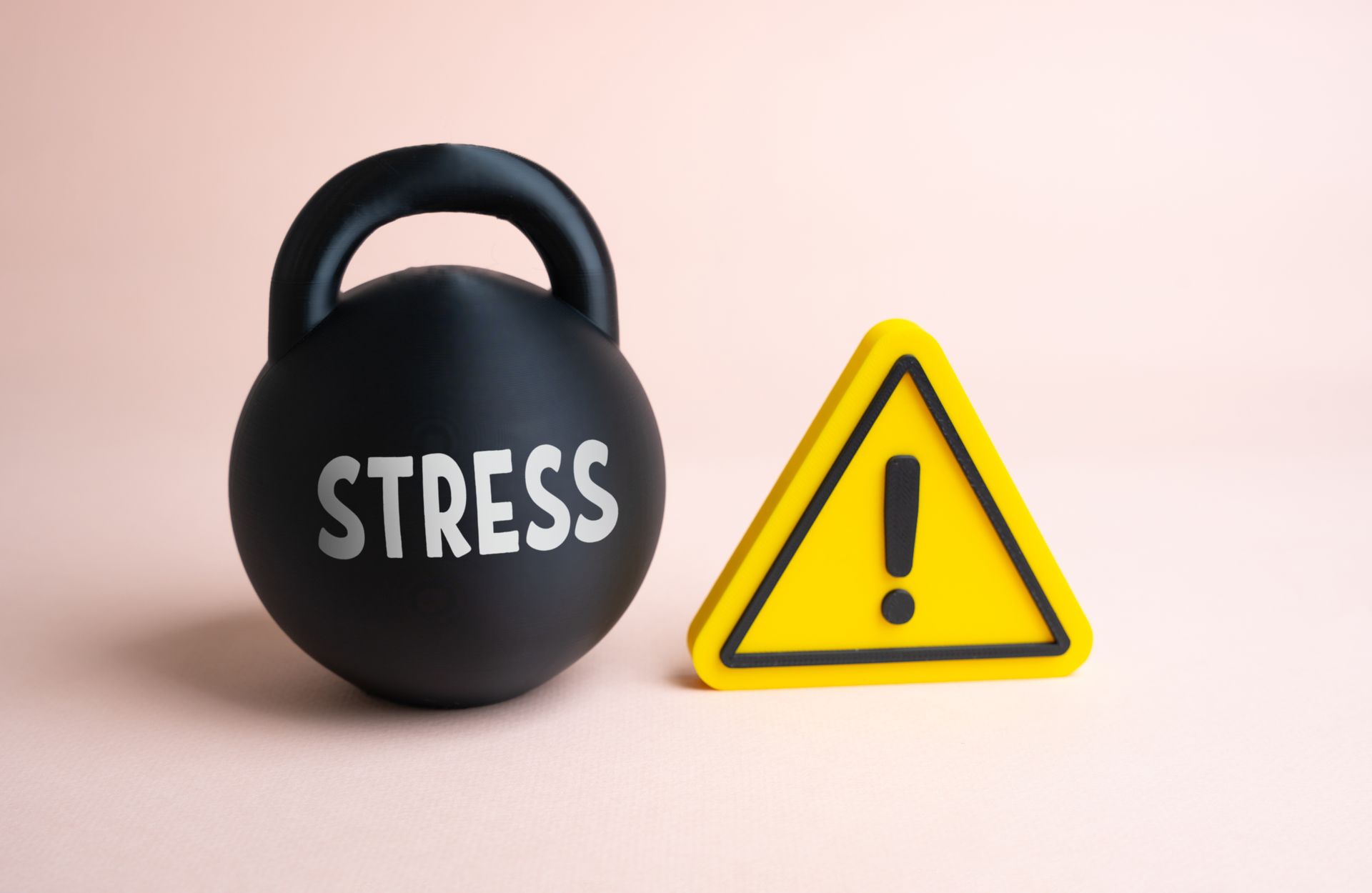
Stress and the Modern Lifestyle: Practical Ways to Restore Balance
Understanding Stress in Today’s World
Modern lifestyles bring many opportunities, but they also introduce new pressures. Work demands, financial responsibilities, digital distractions, and constant connectivity can leave many individuals feeling overwhelmed.
Stress is a natural response that helps the body react to challenges. In short bursts, it can improve focus and performance. However, when stress becomes constant, it can negatively affect both physical and mental health.
Learning how to manage stress effectively is essential for maintaining long-term wellbeing.
How Stress Affects the Body
When the body experiences stress, it activates a biological response designed to prepare for action. This reaction releases hormones such as cortisol and adrenaline, increasing heart rate and alertness.
While this response can be helpful in short-term situations, prolonged stress can contribute to a range of health concerns.
Common effects of chronic stress include:
- Fatigue and low energy
- Difficulty concentrating
- Irritability and mood changes
- Sleep disturbances
- Increased risk of illness
Recognizing these symptoms can help individuals take proactive steps to restore balance.
Identifying Sources of Stress
Understanding the root causes of stress is the first step toward managing it effectively.
Stress can arise from many different areas of life.
Common sources include:
- Workplace pressure and deadlines
- Financial concerns
- Relationship challenges
- Health-related worries
- Information overload from digital devices
While it may not always be possible to eliminate stress completely, identifying these triggers allows individuals to respond more thoughtfully.
The Importance of Relaxation
Relaxation is not simply a luxury—it is a necessary component of healthy living.
When individuals intentionally create time to relax, the body activates its rest-and-recovery system, which helps restore physical and emotional balance.
Relaxation techniques can reduce stress hormones and promote a sense of calm.
Breathing Techniques for Stress Relief
Breathing exercises are among the simplest and most effective ways to calm the nervous system.
Slow, controlled breathing signals the body that it is safe to relax.
A basic breathing exercise may involve:
- Inhaling slowly through the nose for several seconds
- Holding the breath briefly
- Exhaling slowly through the mouth
Repeating this pattern for several minutes can reduce tension and improve focus.
These exercises can be practiced almost anywhere and provide immediate stress relief.
Physical Activity as a Stress Reliever
Exercise is a powerful tool for managing stress.
Physical activity helps release endorphins—natural chemicals that improve mood and reduce tension.
Stress-relieving activities may include:
- Walking or jogging
- Yoga or stretching
- Swimming or cycling
- Dancing or recreational sports
Even short periods of movement can significantly improve mood and mental clarity.
The Role of Sleep in Stress Management
Sleep plays a critical role in the body’s ability to recover from stress.
When individuals do not get enough rest, the body struggles to regulate stress hormones and emotional responses.
Improving sleep quality may involve:
- Establishing consistent sleep schedules
- Limiting caffeine later in the day
- Creating a calm bedtime routine
- Reducing screen exposure before sleep
Prioritizing sleep supports both mental resilience and physical health.
Mindfulness and Emotional Awareness
Mindfulness practices encourage individuals to observe their thoughts and emotions without judgment.
This awareness can help reduce the intensity of stressful reactions.
Mindfulness practices may include:
- Meditation sessions
- Mindful breathing exercises
- Body awareness practices
- Quiet reflection or journaling
By developing mindfulness skills, individuals can respond to stress with greater clarity and calmness.
Building Supportive Relationships
Social support plays an important role in managing stress.
Talking with trusted friends, family members, or mentors can provide emotional relief and new perspectives.
Supportive relationships help individuals feel understood and less isolated during challenging times.
Engaging in meaningful conversations and shared activities strengthens emotional resilience.
Creating Healthy Work-Life Boundaries
Many people struggle with balancing professional responsibilities and personal life.
Without clear boundaries, work-related stress can extend into personal time.
Healthy boundaries may include:
- Setting defined working hours
- Taking regular breaks during the day
- Avoiding work-related communication during rest periods
- Prioritizing personal activities and hobbies
These practices help individuals maintain balance and prevent burnout.
The Benefits of Time in Nature
Spending time outdoors can significantly reduce stress levels.
Natural environments encourage relaxation and provide a break from constant digital stimulation.
Activities such as walking in parks, hiking, or gardening can promote mental clarity and emotional calm.
Nature offers a reminder to slow down and reconnect with the present moment.
Practicing Gratitude
Gratitude practices can shift attention away from stress and toward positive experiences.
Recognizing small moments of appreciation can improve emotional wellbeing and perspective.
Simple gratitude habits include:
- Writing down things to appreciate each day
- Reflecting on positive experiences
- Expressing appreciation to others
These practices encourage a more balanced and optimistic outlook.
Building Long-Term Stress Resilience
Resilience refers to the ability to adapt and recover from challenges.
Developing resilience involves strengthening both mental and physical coping strategies.
Resilience-building practices include:
- Maintaining healthy routines
- Cultivating supportive relationships
- Practicing self-care
- Maintaining a positive outlook
Over time, these habits help individuals navigate stress more effectively.
Finding Balance in Everyday Life
Stress will always be a part of life, but it does not have to dominate daily experiences.
By incorporating relaxation, movement, supportive relationships, and mindful awareness into everyday routines, individuals can restore balance and improve overall wellbeing.
Learning to manage stress is not about eliminating challenges—it is about developing the tools needed to respond to them with strength and clarity.
Share Articles and Blogs
Recent Articles and Blogs