A reflection on how the discipline of martial arts training supports mental clarity, emotional balance, and resilience through consistent practice.
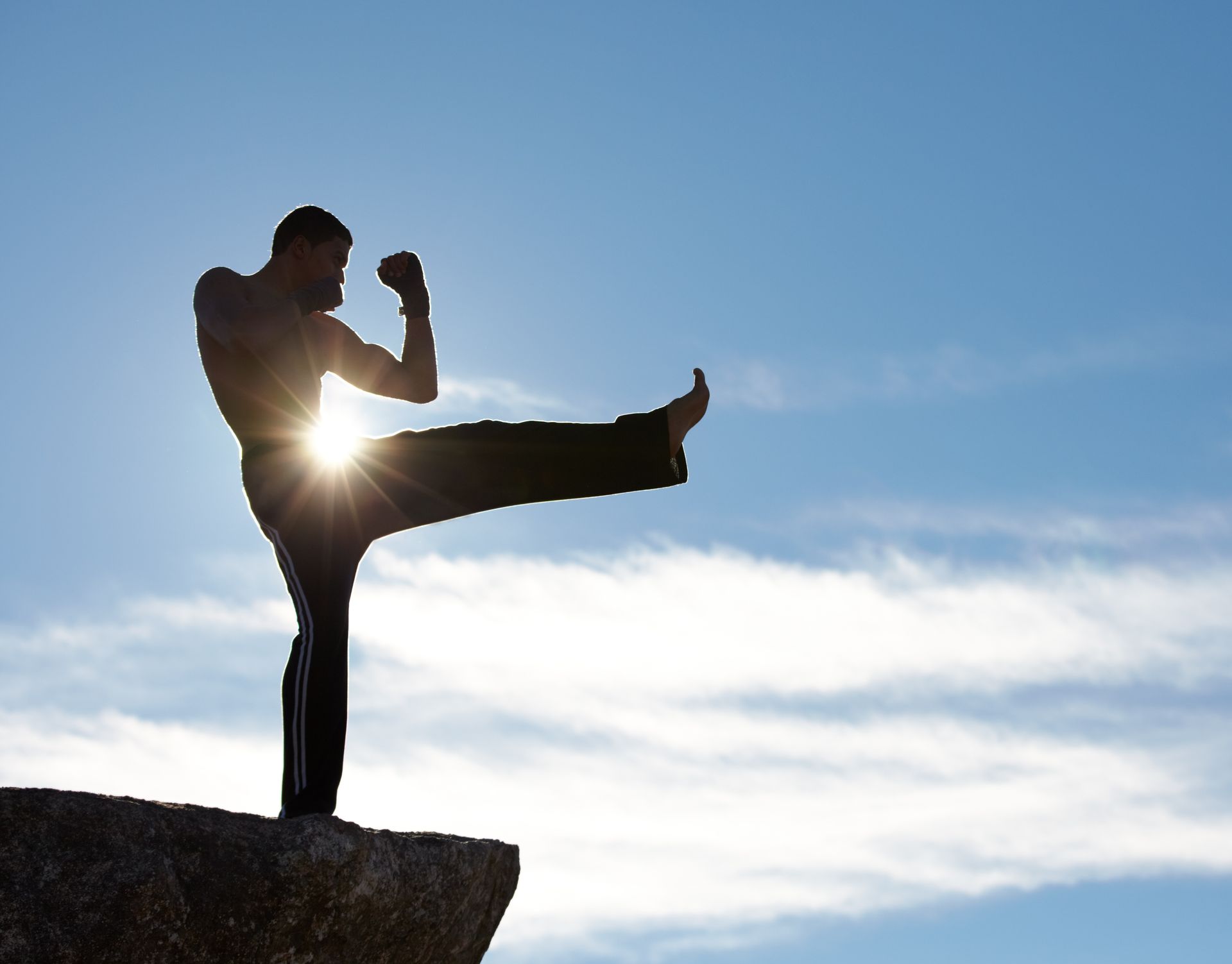
The Martial Path to Balance
Strengthening Body, Mind, and Character
Many people search for ways to restore balance in their lives. Physical health, mental clarity, emotional stability, and personal integrity are often discussed as separate goals, each requiring different solutions.
Martial arts, however, approaches these areas as interconnected parts of a single journey.
For centuries, martial arts traditions have recognised that true strength is not limited to physical ability alone. A capable martial artist develops the body, sharpens the mind, and cultivates character. These elements work together, creating a balanced individual who is both capable and responsible.
After decades in martial arts as a practitioner and instructor, I have seen how training can positively shape every aspect of a person’s life. When taught with the right values, martial arts becomes more than a physical activity. It becomes a pathway toward balance.
Building a Strong and Healthy Body
The physical aspect of martial arts training is often the first thing people notice.
Classes involve dynamic movement patterns that challenge the entire body. Striking techniques, kicking drills, footwork, grappling, and conditioning exercises work together to develop strength, flexibility, endurance, and coordination.
Unlike many modern fitness routines that isolate muscle groups, martial arts requires the body to function as a complete system. Practitioners learn to move efficiently, generate power through proper mechanics, and maintain control under pressure.
This type of training develops functional fitness—strength and mobility that translate directly into everyday activities.
Regular practice also encourages consistency. Rather than focusing on short bursts of intense training, martial arts promotes gradual improvement through repetition and refinement. This approach supports long-term physical health and helps reduce the likelihood of injury.
Over time, practitioners become stronger, more agile, and more aware of how their bodies move.
Cultivating Mental Focus
Physical ability alone does not define a martial artist.
Mental focus is equally important.
Every class requires students to concentrate on learning new techniques, refining existing skills, and responding to training partners. Whether practicing forms, drilling combinations, or engaging in controlled sparring, attention to detail is essential.
This constant engagement strengthens the mind.
Students learn to remain present and attentive during training. They develop the ability to process information quickly while maintaining composure. These skills gradually extend beyond the training hall into everyday life.
In many ways, martial arts functions as a form of moving meditation. The rhythm of training encourages individuals to clear distractions and concentrate on purposeful movement.
In an age where distractions are constant, this ability to focus becomes increasingly valuable.
Developing Character Through Training
One of the most powerful aspects of martial arts lies in the character it helps to develop.
Progress in martial arts requires patience and perseverance. Techniques must be practiced repeatedly before they can be performed effectively. Improvement rarely happens overnight.
Through this process, students learn the value of discipline.
They begin to understand that meaningful growth requires consistent effort and dedication. Each small improvement becomes a reminder that progress is built through persistence rather than shortcuts.
Respect is another fundamental value in martial arts training. Students are taught to respect their instructors, their training partners, and the traditions of the art. This culture of respect creates an environment where individuals feel safe to learn and challenge themselves.
Over time, these values shape character. Students become more responsible, more patient, and more mindful of how their actions affect others.
Learning Balance in Practice
The concept of balance in martial arts extends beyond physical stability.
Of course, balance is important for movement and technique. Proper stance, controlled footwork, and efficient body alignment allow practitioners to maintain stability during dynamic situations.
But martial arts also teaches balance in a broader sense.
Practitioners learn to balance strength with control, confidence with humility, and determination with patience. These qualities help create individuals who are capable without becoming reckless, and confident without becoming arrogant.
The training process reinforces the idea that true mastery involves understanding both power and restraint.
The Role of the Martial Arts Community
Another key element in achieving balance through martial arts is the community that develops within a school.
Training rarely occurs in isolation. Students work with partners, learn from instructors, and support each other’s progress. The relationships formed during training often become an important part of the martial arts journey.
Within a healthy martial arts environment, students encourage each other to improve while maintaining respect and cooperation.
Experienced practitioners guide beginners. Instructors mentor students not only in technique but also in personal development.
This shared experience strengthens the sense of belonging and reinforces the values that martial arts promotes.
A Practice That Evolves Over Time
One of the reasons martial arts is so effective at developing balance is that it evolves alongside the practitioner.
In the early stages of training, students focus heavily on physical skills and coordination. As they gain experience, they begin to refine technique and develop a deeper understanding of strategy.
Later in life, the emphasis often shifts toward efficiency, wisdom, and personal growth.
The training remains physically beneficial, but the lessons of discipline, patience, and awareness become even more significant.
This evolving process ensures that martial arts continues to provide value at every stage of life.
Balance Beyond the Training Hall
Perhaps the greatest benefit of martial arts training is how its lessons extend beyond the dojo.
Students who train regularly often find that the discipline and focus they develop influence other areas of their lives. They become more organised, more resilient when facing challenges, and more thoughtful in their decisions.
The habits formed during training—consistency, respect, perseverance—become guiding principles in everyday life.
In this way, martial arts contributes to overall wellbeing not only through physical exercise but through personal development.
A Path Worth Walking
The pursuit of balance is not something that can be achieved overnight. It requires time, patience, and continuous effort.
Martial arts provides a structured path for developing that balance.
Through physical training, mental focus, and the cultivation of strong character, practitioners learn to grow as individuals while contributing positively to their communities.
For those who remain committed to the journey, martial arts becomes far more than a set of techniques.
It becomes a lifelong path toward balance in body, mind, and character.
Share Articles and Blogs
Recent Articles and Blogs