A reflection on how the discipline of martial arts training supports mental clarity, emotional balance, and resilience through consistent practice.
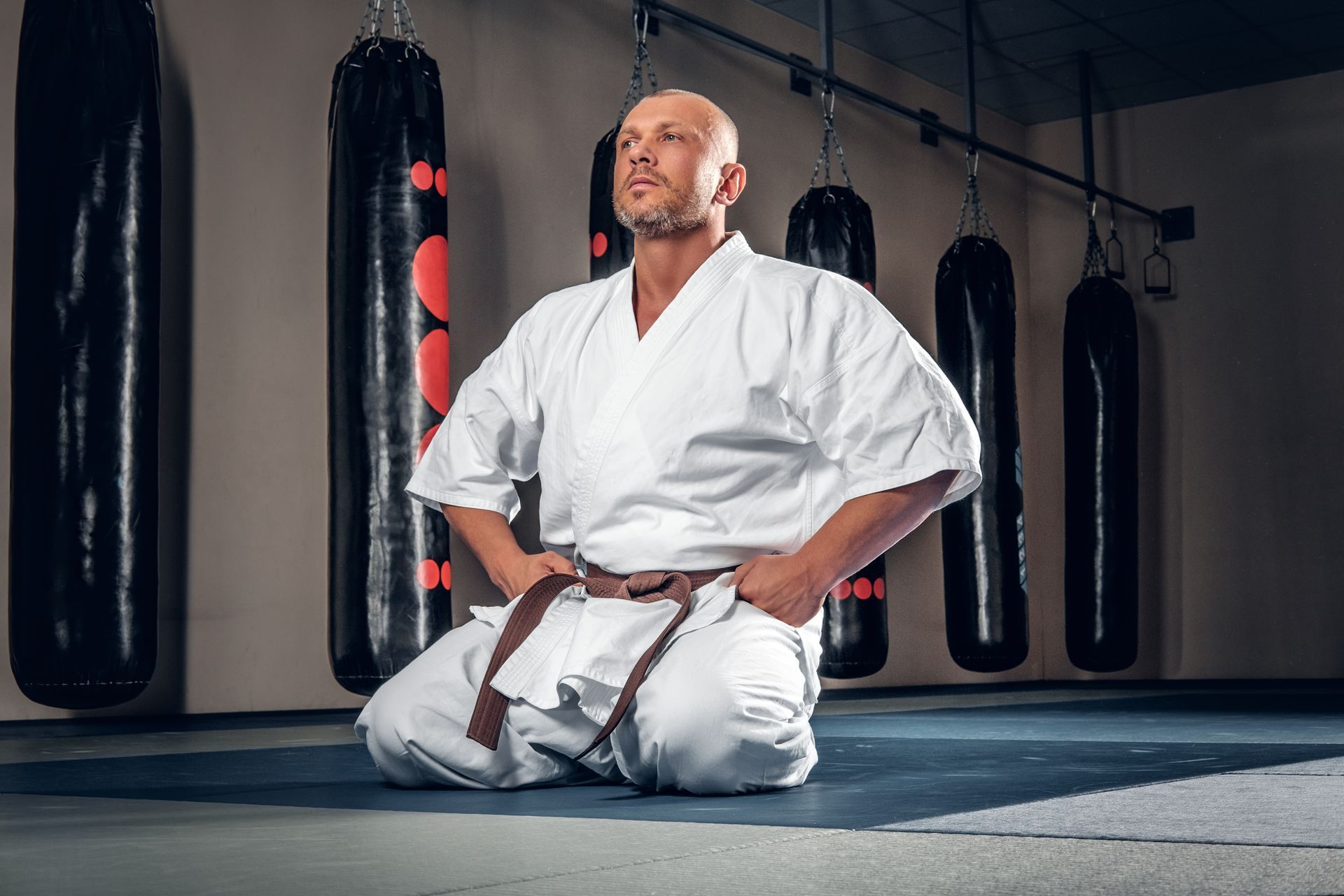
How Martial Arts Training Supports Mental Wellbeing
When people think about martial arts training, they often focus on physical strength, self-defence, or competitive achievement. While these elements certainly play a role, one of the most powerful benefits of martial arts is often less visible.
That benefit is mental wellbeing.
Many individuals face increasing levels of stress, anxiety, and mental fatigue. The demands of modern life—work pressures, digital distractions, financial responsibilities, and social expectations—can create an environment where maintaining mental balance becomes difficult.
Martial arts training offers a practical and time-tested way to support mental wellbeing. Through structured discipline, purposeful movement, and a supportive training environment, martial arts provides tools that help individuals develop resilience, clarity, and emotional stability.
After many decades in martial arts, I have seen firsthand how consistent training can positively influence the mind just as much as the body.
The Structure of Discipline
Discipline is one of the core principles found in every martial arts system.
Students attend class regularly, follow structured training routines, and practice techniques repeatedly. At first glance, these routines may appear simple, but they serve an important purpose.
Structure creates stability.
When individuals participate in consistent training, they develop predictable habits that support both physical and mental health. The routine of attending class, focusing on instruction, and completing training drills provides a sense of order that many people find calming.
This structure can be especially valuable during periods of stress or uncertainty. The training hall becomes a place where individuals can temporarily step away from external pressures and focus entirely on the task at hand.
Over time, the discipline developed through martial arts begins to influence daily life. Students become more organised, more focused, and more capable of managing their responsibilities.
Mental Focus Through Training
Another important factor contributing to mental wellbeing is the level of concentration required during martial arts training.
Whether learning a new technique or refining an existing skill, students must remain attentive. They must observe their instructor, analyse movement patterns, and apply corrections to their own performance.
This type of focused attention helps train the mind.
Many people spend large portions of their day switching between tasks and responding to constant digital notifications. Martial arts training provides an environment where sustained focus is required and encouraged.
During training, students must remain present in the moment. This mental engagement acts similarly to mindfulness practices, helping individuals reduce distractions and develop greater awareness.
The result is often a clearer and calmer state of mind.
Physical Activity and Emotional Release
Physical activity plays a well-documented role in supporting mental health. Martial arts training combines this physical activity with purposeful movement and structured learning.
Training sessions often involve drills that elevate heart rate, strengthen muscles, and improve endurance. These activities stimulate the body’s natural ability to release tension and regulate mood.
For many practitioners, martial arts becomes an effective outlet for managing stress.
Instead of carrying frustration or anxiety throughout the day, students are able to channel their energy into productive training. By the end of a class, the combination of physical exertion and mental engagement often leaves practitioners feeling more relaxed and balanced.
Building Confidence Through Progress
Confidence is closely connected to mental wellbeing.
Martial arts training provides a clear pathway for building confidence through gradual improvement. Students begin by learning basic movements and techniques. As they continue training, they develop greater control, coordination, and understanding.
Each step forward reinforces a sense of accomplishment.
The belt ranking systems used in many martial arts styles also help structure progress. Achieving a new rank represents not only technical ability but also dedication and perseverance.
These milestones provide tangible evidence of growth.
Importantly, the confidence developed through martial arts is based on genuine effort. Students understand that their progress is the result of consistent training rather than temporary motivation.
This type of confidence tends to be durable and long-lasting.
Learning Resilience
Mental wellbeing is not simply about avoiding challenges. It also involves developing the ability to handle them effectively.
Martial arts training naturally introduces situations where students must confront difficulty. Techniques may feel awkward at first. Sparring drills may present unfamiliar challenges. Progress may occasionally feel slow.
These experiences teach resilience.
Students learn that improvement requires patience and persistence. Instead of becoming discouraged by setbacks, they begin to view them as part of the learning process.
This mindset becomes valuable beyond martial arts. Individuals who develop resilience through training often find themselves better equipped to handle challenges in work, relationships, and other areas of life.
The Support of a Training Community
Another important factor supporting mental wellbeing in martial arts is the sense of community that develops within a school.
Training partners work together to practice techniques and improve their skills. Instructors guide students through each stage of development. More experienced practitioners often help beginners adjust to the learning process.
This environment encourages cooperation and mutual support.
Students quickly realise that martial arts is not a solitary activity. Everyone in the training hall contributes to the progress of others.
For many individuals, this supportive community becomes an important part of their lives. It provides encouragement, accountability, and a sense of belonging.
These social connections can play a significant role in maintaining mental health and overall wellbeing.
The Long-Term Impact of Discipline
One of the most valuable aspects of martial arts training is that its benefits accumulate over time.
A single training session may provide stress relief and physical exercise. Months of training build strength and coordination. Years of training shape discipline, resilience, and self-awareness.
The longer individuals remain committed to martial arts, the more deeply its lessons influence their lives.
Students often find that the discipline developed through training begins to guide their daily habits. They become more mindful of their health, more focused in their work, and more patient in their interactions with others.
In this way, martial arts becomes more than an activity. It becomes a framework for personal wellbeing.
Discipline as a Path to Wellbeing
Mental wellbeing cannot be achieved through quick solutions or temporary motivation. It requires consistent habits that support both the body and the mind.
Martial arts provides exactly this kind of framework.
Through structured discipline, focused training, and a supportive community, practitioners develop the tools needed to manage stress, build confidence, and maintain emotional balance.
Over time, these benefits extend far beyond the training hall.
For those who commit to the journey, martial arts becomes more than a physical practice. It becomes a source of stability, resilience, and lasting mental wellbeing.
Share Articles and Blogs
Recent Articles and Blogs