Science, Practice, and Business Strategy
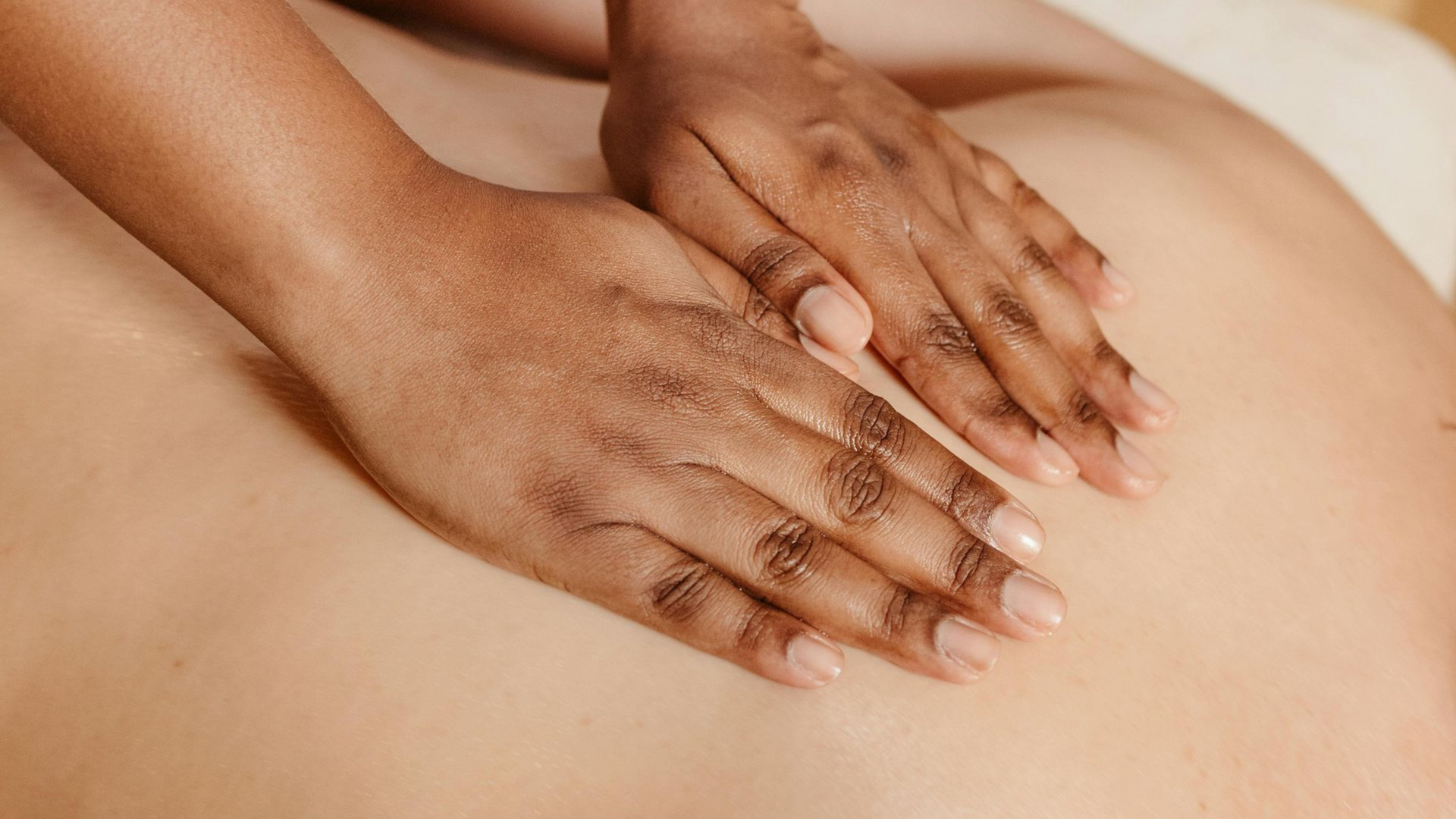
Introduction: Massage as Medicine
Massage therapy is one of humanity's oldest healing practices. Evidence of therapeutic touch has been found in ancient Egyptian, Chinese, Greek, and Indian medical texts. Yet despite its long history, massage continues to be underestimated — sometimes dismissed as a luxury, and other times misunderstood as a singular, undifferentiated modality. At Wellness World Media, we are committed to elevating the conversation around massage to reflect what science and clinical practice now clearly demonstrate: therapeutic massage is a legitimate, evidence-supported health intervention with measurable physiological and psychological outcomes.
For wellness facility operators, massage therapy is simultaneously one of the most powerful services you can offer and one of the most nuanced to deliver well. This article examines the science behind massage therapy's benefits, the diversity of modalities available to practitioners, how to build a commercially viable and clinically credible massage offering, and the critical operational considerations every facility must address.
The Physiology of Therapeutic Touch
When a skilled therapist applies pressure to soft tissue, a cascade of physiological responses is initiated. Mechanoreceptors in the skin and underlying tissue send signals to the brain that trigger parasympathetic nervous system activation — the "rest and repair" mode that counteracts the chronic sympathetic overdrive most modern people live in. Cortisol levels decrease. Serotonin and dopamine production increases. Heart rate and blood pressure typically fall. Muscle tension — often held chronically in the neck, shoulders, hips, and lower back — releases as the nervous system signals the musculature to let go.
At a cellular level, massage has been shown to reduce levels of inflammatory cytokines and increase mitochondrial biogenesis in muscle tissue. A landmark study published in Science Translational Medicine found that post-exercise massage reduced the expression of genes linked to inflammation while promoting the development of new mitochondria — with implications not just for athletic recovery, but for general tissue health and cellular ageing.
Lymphatic drainage massage, a gentler and more specialised technique, manually stimulates the movement of lymph fluid through the body's lymphatic vessels. The lymphatic system plays a critical role in immune function, fluid balance, and the removal of cellular waste products. Clients undergoing treatments for post-surgical swelling, lipedema, or chronic fatigue frequently report significant improvements from regular lymphatic massage, and the research base supporting this modality continues to grow.
A Taxonomy of Massage: Understanding the Modality Landscape
One of the most important things we communicate to wellness facility operators is that "massage" is not a single service — it is a family of distinct modalities, each with its own physiological mechanisms, appropriate client populations, and practitioner training requirements. Building a credible massage offering means understanding this landscape and curating your services thoughtfully.
Swedish (relaxation) massage remains the most widely recognised modality and an excellent entry point for new clients. Deep tissue massage targets the deeper layers of muscle and connective tissue and is particularly effective for chronic pain, postural dysfunction, and sports recovery. Sports massage is sequenced around the athletic training cycle — pre-event preparation, post-event recovery, and maintenance — and requires a practitioner with strong anatomy and biomechanics knowledge.
Remedial massage is a clinical modality popular in the Australian market, specifically directed at assessing and treating musculoskeletal dysfunction. Remedial massage therapists in Australia are regulated under the Australian Health Practitioner Regulation Agency (AHPRA) through several professional associations, and when provided by appropriately qualified practitioners, remedial massage can be eligible for private health insurance rebates.
Traditional Chinese Medicine-informed massage modalities — including Tui Na and Shiatsu — work along the body's meridian pathways and are deeply integrated with the broader TCM diagnostic framework. Contributors such as Zhen Hua Yang, a Calligraphy Health founder and Internal Arts Grandmaster featured in our contributor community at
wellnessworldmedia.com.au/contributors, bring extraordinary depth to the understanding of energetic bodywork and its intersection with Western therapeutic models.
Building a Commercial Massage Programme That Works
From a business perspective, massage therapy can serve multiple roles within a wellness facility. It can be the primary service offering of a dedicated massage clinic, one component of a multi-modal wellness experience, or a premium add-on to membership packages. Each of these positions requires a different commercial structure and operational approach.
For facilities looking to streamline their massage booking, membership management, and billing processes, Wellness World Media recommends exploring dedicated wellness club management platforms.
Our resource on
Club Manager and Billing solutions outlines options that can automate appointment scheduling, manage practitioner rosters, track client treatment histories, and integrate with payment systems — freeing your therapists to focus on delivering exceptional care rather than managing administrative complexity.
Pricing strategy for massage services should reflect the training level and specialisation of the practitioner, the duration and therapeutic depth of the session, the amenity quality of the treatment environment, and the competitive landscape in your location. Premium pricing is entirely sustainable when it is supported by genuine clinical expertise, a beautifully curated treatment environment, and a rigorous client intake process that demonstrates your commitment to therapeutic outcomes.
Practitioner Qualifications and Insurance: Non-Negotiable Foundations
As with all clinical wellness services, massage therapy carries specific professional obligations. Practitioners should hold appropriate qualifications from accredited training programmes, maintain current professional indemnity insurance, and engage in ongoing continuing professional development. Facility operators have a duty of care not only to their clients but to the practitioners they engage — ensuring that staff are working within their scope of practice and are adequately protected.
This is particularly important as wellness facilities expand their service offerings into more clinical territory. A practitioner qualified in Swedish relaxation massage is not necessarily trained to perform remedial or myofascial release techniques on a client with acute disc herniation. Clear scope-of-practice protocols, thorough client intake processes, and regular clinical supervision are the hallmarks of a responsible massage programme.
From an insurance perspective, facilities offering massage therapy should ensure their policy explicitly covers all modalities being delivered and all practitioner qualification levels operating within their space. As our Wellness Insurance page makes clear, many standard fitness facility policies do not adequately cover therapeutic massage, particularly if it crosses into the territory of remedial or clinical treatment. A specialist broker who understands the wellness industry is essential.
Wellness World Media is committed to helping operators build businesses that are not only commercially successful but genuinely safe, clinically credible, and professionally sustainable. We invite you to explore our growing library of expert resources at
wellnessworldmedia.com.au/articles and to get involved with our community at
wellnessworldmedia.com.au/get-involved.
Share Articles and Blogs
Recent Articles and Blogs