This article illustrates how the ancient warriors of Kerala maintained their legendary strength not through force alone, but through a deeply respectful and integrated rhythm of movement, herbal medicine, and restorative care.
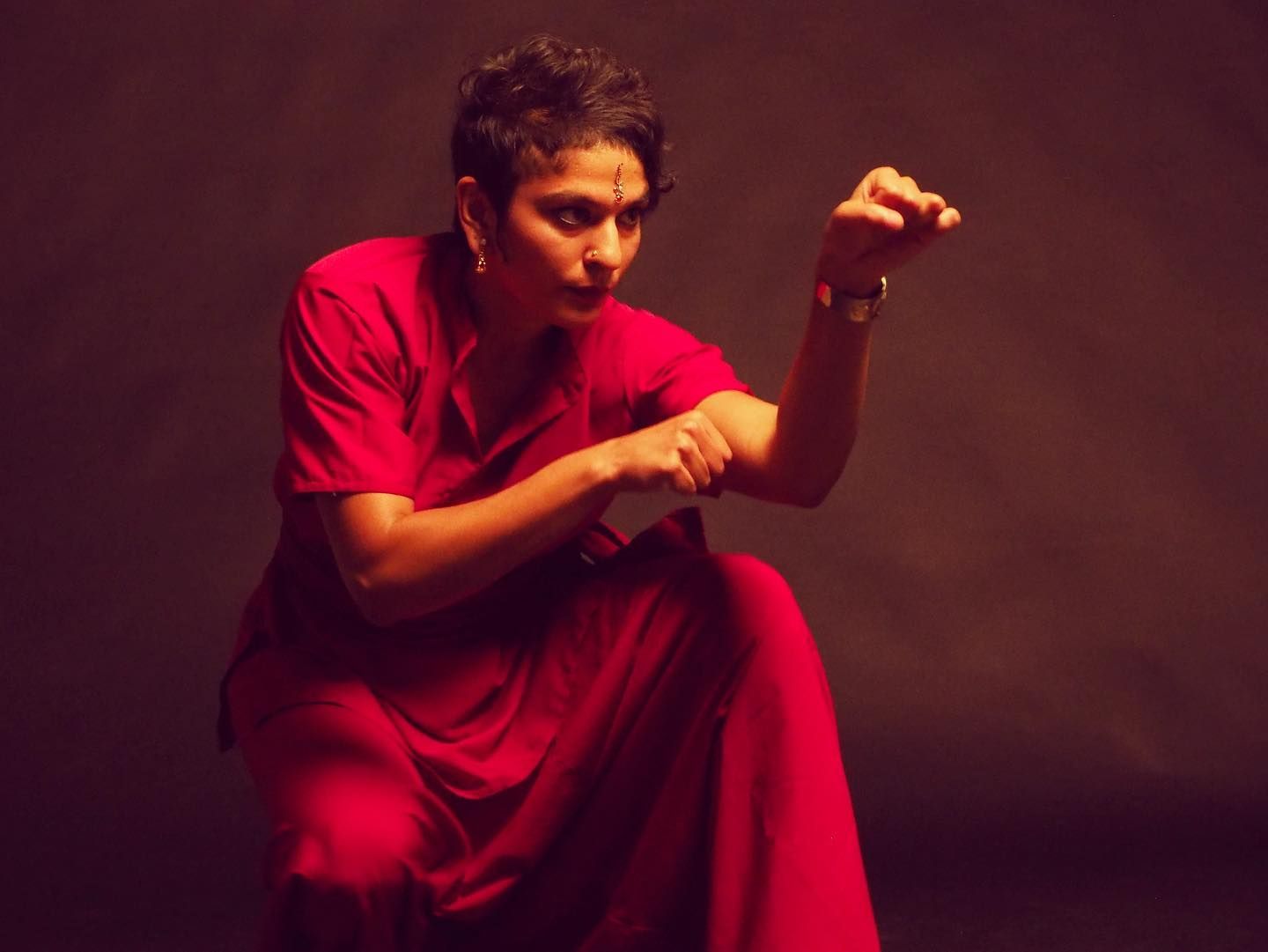
How Warriors Prepare for Battle
The Art of Kalari Healing
By Lalita Yagnik
There is a natural rhythm to the human body—a rhythm of effort and recovery, strength and softness, action and restoration. When this rhythm is respected, the body becomes not only powerful, but resilient. This understanding sits at the heart of Kalari Healing, the traditional therapeutic system that supported the warriors of Kalaripayattu, the ancient martial art of Kerala in South India.
In traditional martial cultures, training was never just about fighting ability. True warriors were prepared through a complete system that included movement, medicine, diet, massage, breath, and disciplined living. Fighters were cared for with equal precision; strength and healing were never separated.
Kalaripayattu: The Warrior’s Path
Kalaripayattu is often described as one of the world’s oldest living martial traditions. Its name combines kalari (training space) and payattu (practice or combat). Training took place in specially prepared earthen arenas where students developed agility, coordination, flexibility, weapon skill, and mental focus.
The practice demanded deep stances, animal-inspired movements, leaps, rolls, and weapon sequences that required both athleticism and internal control. But what truly distinguished this art was its philosophy: the body was considered sacred. Masters understood that without proper preparation and recovery, skill could not mature. Longevity in training required intentional healing practices woven directly into daily life.
The Role of Kalari Ayurveda
Ayurveda, India’s traditional medical science, formed the foundation of warrior care. In Kerala, specialized branches of therapeutic knowledge evolved into Kalari Ayurveda, a therapeutic approach adapted for physically trained bodies. It draws from:
- Classical Ayurveda: The foundational science of life.
- Siddha Vaidya: An ancient South Indian tradition emphasizing herbal alchemy and vital energy.
This system focused on three essential areas:
- Preparation: Warriors followed dietary and herbal protocols using botanicals like ashwagandha and brahmi to build stamina and sharpen focus. Preparation was considered part of training, not separate from it.
- Maintenance: Medicated oils were applied regularly to keep joints and connective tissues supple. Prevention was valued more than treatment; a well-conditioned body was less prone to injury.
- Recovery: Bruises, strains, and impact injuries were treated with herbal pastes and oils (such as neem and aloe) to cool inflammation and speed repair. For the warrior, caring for the body was a discipline, not an indulgence.
Kalari Massage: Therapy in Motion
One of the most distinctive elements of this tradition is Kalari massage (kalari chikitsa). Unlike spa-style massage, this system was designed specifically to support active bodies. It combines warm herbal oils, rhythmic pressure, and joint mobilization to enhance functional movement.
Rather than being a luxury, massage was considered essential maintenance—much like sharpening a blade before battle. Regular sessions aimed to:
- Increase flexibility and joint mobility
- Improve circulation and reduce muscular tension
- Speed recovery after training
- Calm the nervous system
Working With Marma Points
A central feature of Kalari practice is attention to marma points—vital anatomical junctions where muscles, joints, nerves, and connective tissues intersect.
Stimulating these points was used to relieve pain and restore movement. Interestingly, martial artists studied these same points for both defensive and offensive purposes. This dual knowledge reflects the depth of the system: the warrior learned not only where the body was vulnerable, but also how to restore it.
Lessons for Modern Practitioners
Even today, martial artists and athletes of any discipline can draw insight from this ancient system:
- Preparation supports performance: Conditioning tissues before training reduces strain.
- Recovery builds longevity: Rest and therapeutic care allow steady, long-term progress.
- Touch is medicine: Skilled bodywork releases tension patterns that restrict movement.
- Balance sustains power: Physical strength without internal equilibrium eventually leads to fatigue or injury.
About the Author
Lalita Yagnik is a degree-qualified Naturopath specializing in Thyroid Health, a Kalaripayattu and Yoga Instructor, and a Kalari Ayurveda therapist. She blends traditional healing wisdom with modern wellness understanding to help clients restore strength, mobility, and vitality. Lalita offers classes, retreats, and consultations in Melbourne and on the Sunshine Coast, Queensland.
Contact: www.kalarihealing.com
Share Articles and Blogs
Recent Articles and Blogs