In this insightful piece, Paul Mracek explains how the brain’s natural rhythms influence focus, creativity, and recovery, offering a practical pathway to consistently enter the powerful state of flow.
Mastering Brain Waves for Clarity and Performance The Energy of Flow
By Paul Mracek
"Shifts in leadership don’t start with more hours, but with a single moment of renewed energy."
Introduction
Your brain is an extraordinary system of rhythm and energy. Every decision, reaction, or creative spark is shaped by electrical patterns called brain waves. These brain waves act like the gears of your mind, shifting you from deep rest to sharp focus, and into the extraordinary state of flow, where performance and awareness reach their peak.
Flow is that sweet spot where time seems to vanish, actions feel effortless, and outcomes are both powerful and precise. Athletes describe it as "the zone," martial artists as mushin (no-mind), and creators as pure inspiration. While the experience feels mysterious, it is built on something very practical: the transitions of your brainwave states.
Understanding the 5 Brain Waves and Their Role gives you a repeatable path into flow.
The 5 Brain Waves
1. Gamma Waves (40–100 Hz) – Integration and Insight
- The fastest brain waves, linking information across the brain.
- Associated with learning, memory, and powerful "aha" insights.
- Optimal gamma supports problem-solving and breakthrough creativity.
- Too much = overstimulation, stress; too little = poor learning.
Application: Use gamma by reviewing new skills or reflecting after practice sessions; it helps consolidate learning and integrates your experiences.
2. Beta Waves (12–40 Hz) – Alertness and Focus
- Your standard waking state: alert, logical, and analytical.
- Vital for problem-solving, planning, and decision-making.
- Too much = stress, overthinking; too little = lack of motivation.
Application: Stay in low-to-mid beta for focused work, but watch for the tipping point. When your mind races and performance drops, it’s a sign you need to downshift into alpha.
3. Alpha Waves (8–12 Hz) – Relaxed Readiness
- The gateway to flow. Calm, focused, and centred.
- This is where awareness is sharp, but effort feels light.
- Balanced alpha produces emotional stability and clarity.
Application: Transition into alpha before high-pressure events with controlled breathing or centring rituals. Martial artists use this before stepping onto the mat; executives can use it before key presentations.
4. Theta Waves (4–8 Hz) – Creativity and Intuition
- Found in meditation, daydreaming, or creative immersion.
- Appears in flow when you’re fully absorbed in an activity.
- Provides deep creativity, imagination, and intuitive problem solving.
Application: Activate theta by engaging in rhythmic movement (running, drumming, shadowboxing) or creative activities where your focus is internal.
5. Delta Waves (0–4 Hz) – Rest and Regeneration
- The slowest waves, dominant in deep sleep.
- Vital for healing, recovery, and resetting the nervous system.
- Without enough delta, your capacity to access flow diminishes.
Application: Protect deep sleep. No shortcuts; quality rest is non-negotiable if you want consistent flow and high performance.
The Flow Journey: Understanding the Boundaries
Flow is not a single point you "switch on," but a progressive process across different brainwave states. Each stage has its own role, and together they create the conditions where clarity, energy, and performance align.
The Progressive Journey
- ENTRY: Beta → Alpha Transition The gateway to flow. At first, you need to quiet the noise of stress and overthinking by moving out of high-beta activity into the calm readiness of alpha.
- IMMERSION: Alpha → Theta Border From there, flow deepens as alpha blends with theta, allowing effortless immersion, intuition, and creativity. This is the "Flow Zone" of effortless absorption.
- PEAK INTEGRATION: Gamma Bursts At the peak, bursts of gamma energy overlay the alpha-theta state to integrate insights and sharpen awareness, creating those timeless breakthrough moments.
- RECOVERY: Delta Finally, recovery in delta sleep ensures that you can repeat the cycle with energy and balance.
Two Perspectives on Flow
- The Classical View: Focuses on the Beta → Alpha Transition. Flow emerges when you downshift out of high-beta stress into calm alpha focus. This is why breathwork and pre-performance rituals are so powerful.
- The Deeper View: Neuroscience studies (Arne Dietrich, Steven Kotler) have found that sustained flow—especially in sports and martial arts—involves Alpha–Theta coupling. Alpha provides the calm awareness, while theta adds immersive absorption.
Takeaway for You
- For Quick Access: If you're prepping for a fight, meeting, or performance, focus on the Beta → Alpha shift.
- For Deep Exploration: For creative work or long-duration tasks (kata, long runs), recognise the Alpha → Theta border as your sustaining zone.
With consistency, you’ll discover that flow isn’t something you stumble into; it’s something you can create whenever you need it.
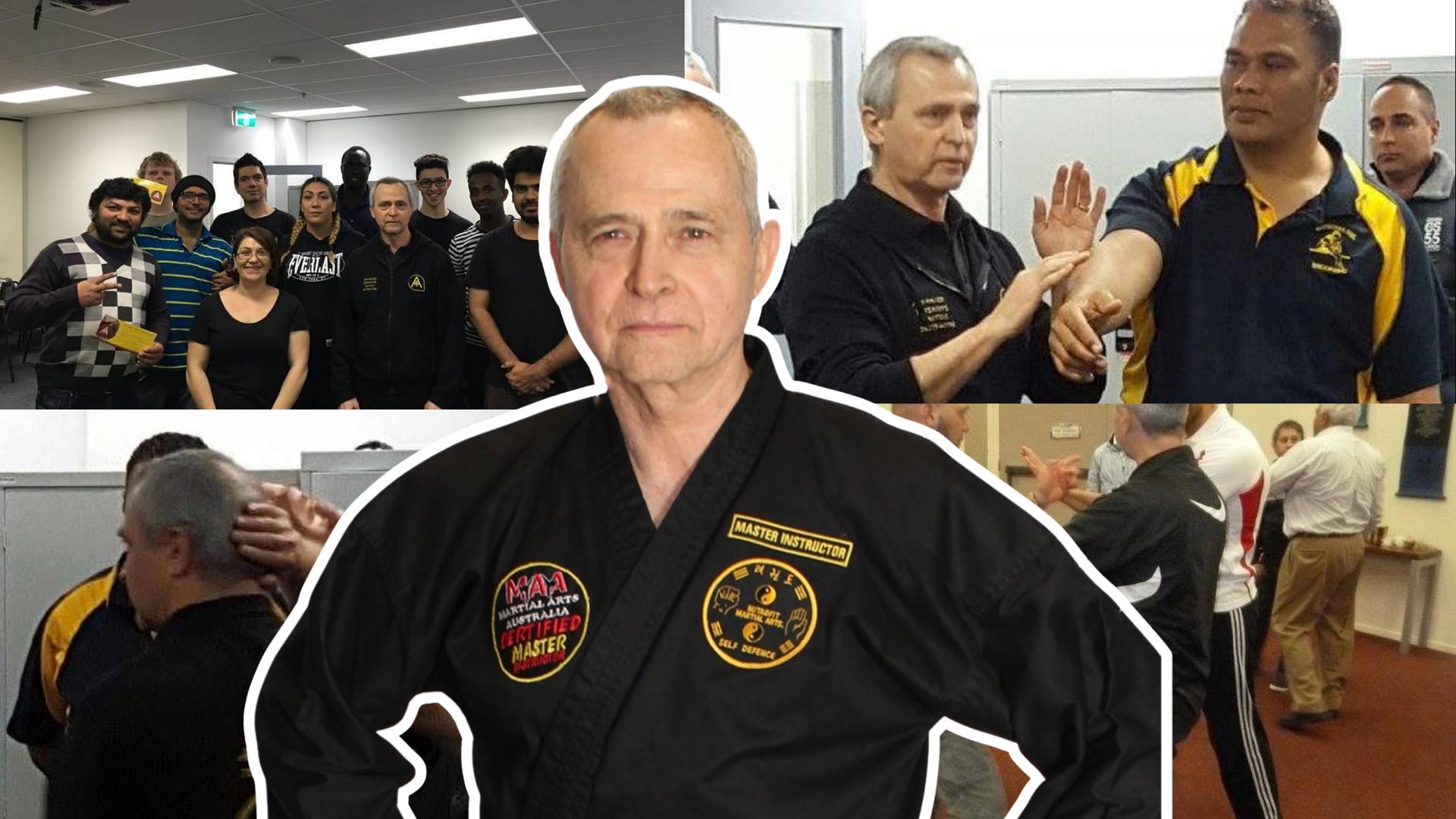
About the Author Paul Mracek is an internationally recognised author, Master Coach, and 9th Dan Black Belt. As the founder of Kotan Australia, he integrates Eastern martial wisdom with Western leadership principles to help individuals achieve clarity and strategic resilience.
Share Articles and Blogs
Recent Articles and Blogs