Illuminating the Science Behind Photobiomodulation in Wellness Facilities
Introduction: Light as Medicine
The idea that light can heal might sound like metaphor, but the science of photobiomodulation — the therapeutic application of specific wavelengths of light — is increasingly well-supported by clinical research. Red light therapy (RLT) and near-infrared (NIR) light therapy, once confined to dermatology clinics and sports medicine practices, are now appearing in wellness facilities across Australia and globally at a remarkable rate.
At Wellness World Media, we are watching this expansion with keen interest. Red light therapy panels and full-body red light beds have become a feature of leading longevity centres, recovery studios, and integrated wellness facilities. The technology is compelling, the client experience is accessible, and the emerging research base is substantial. But as with every wellness innovation, the gap between the science and the marketing claims requires careful navigation.
The Mechanisms of Photobiomodulation
Photobiomodulation refers to the use of light — specifically in the red (620 to 700 nanometres) and near-infrared (700 to 1100 nanometres) wavelength ranges — to stimulate biological processes at the cellular level. The primary mechanism is the absorption of photons by cytochrome c oxidase, a key enzyme in the mitochondrial electron transport chain — the cellular machinery responsible for producing adenosine triphosphate (ATP), the energy currency of all living cells.
When cytochrome c oxidase absorbs photons from red or near-infrared light, it releases nitric oxide (which it had been suppressing), allowing the electron transport chain to function more efficiently. ATP production increases. Reactive oxygen species — implicated in cellular stress and ageing — are reduced. Cellular repair, division, and signalling are enhanced. Inflammation modulation occurs through multiple downstream pathways.
The depth of light penetration into tissue varies by wavelength. Red light at 630 to 660 nanometres penetrates primarily into superficial tissue layers — the dermis and epidermis — making it particularly effective for skin applications. Near-infrared light at 810 to 850 nanometres penetrates more deeply into muscle, joint, and neural tissue, supporting applications including muscle recovery, joint pain management, and in emerging research, neurological restoration.
What the Research Supports: A Balanced Assessment
The evidence base for photobiomodulation spans thousands of published studies, with the strongest evidence in the following areas: wound healing and tissue repair, including post-surgical recovery and diabetic foot ulcers; musculoskeletal pain management, including neck pain, knee osteoarthritis, and Achilles tendinopathy; hair growth stimulation in androgenetic alopecia; and skin health improvements including collagen synthesis, fine line reduction, and acne management.
Evidence for performance enhancement and athletic recovery is growing, with multiple studies showing reduced delayed onset muscle soreness, improved power output, and faster recovery biomarkers following pre- and post-exercise red light therapy. Research into neurological applications — including traumatic brain injury, cognitive decline, and mood disorders — is at an earlier stage but shows genuine promise.
Where the evidence is thinner is in the broad anti-ageing and longevity claims that populate much wellness marketing around red light therapy. While the cellular mechanisms that photobiomodulation activates are relevant to ageing — mitochondrial function, inflammation, cellular repair — the translation of these mechanisms into clinically meaningful longevity outcomes in human populations has not yet been robustly demonstrated. Honest client communication is important here: RLT is a powerful recovery and wellness tool with strong evidence in specific domains; it is not a proven longevity intervention.
Integrating Red Light Therapy Into Your Wellness Facility
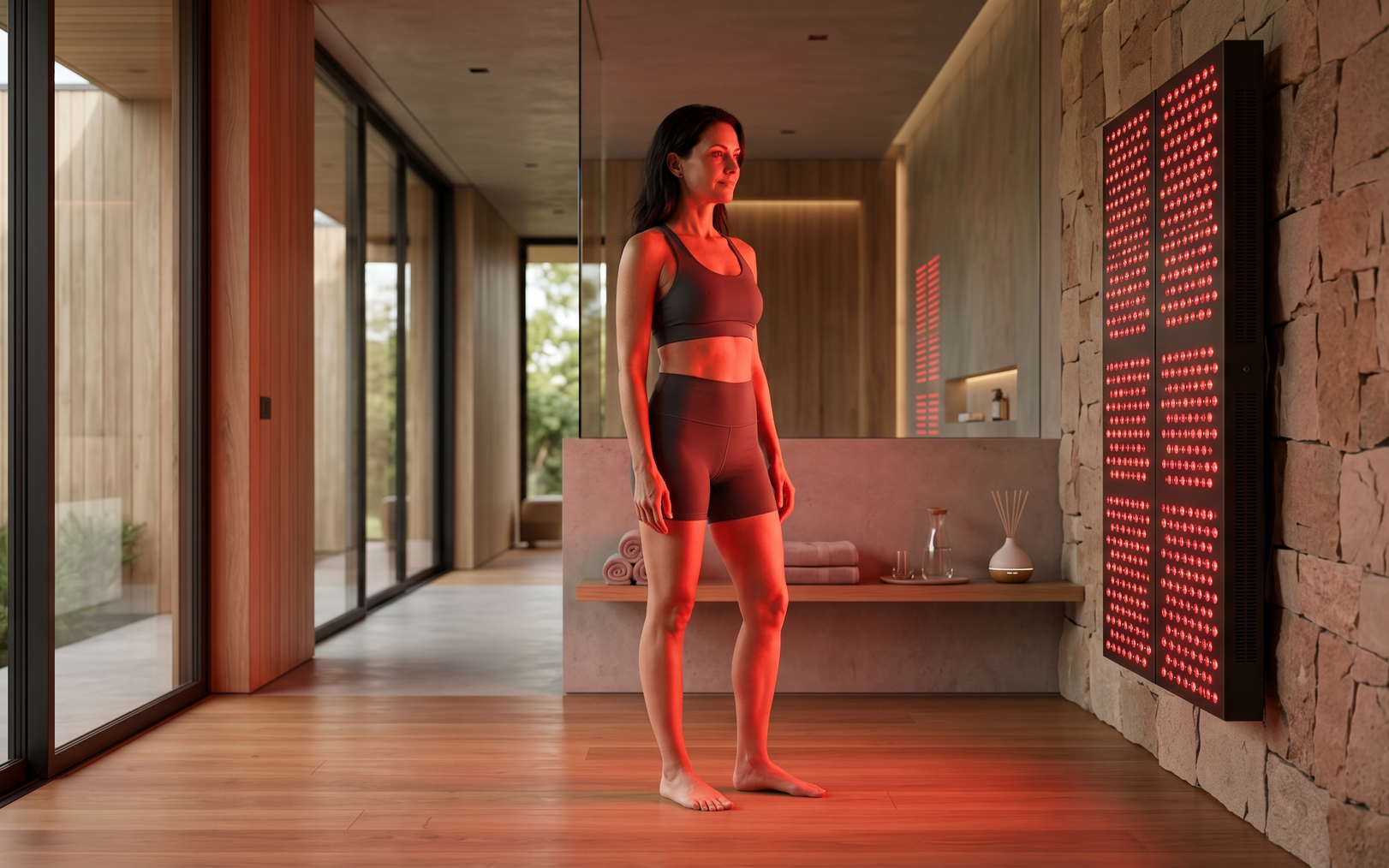
The practical integration of red light therapy into a wellness facility is relatively straightforward compared to modalities like HBOT or even cold plunge infrastructure. Commercial-grade red light therapy panels and full-body beds are available from specialist suppliers, require standard electrical infrastructure, and pose relatively low operational risk. There are no extreme temperatures, no pressure differentials, and no high-risk consumables involved.
That said, quality variation in the commercial RLT market is significant. Key parameters to evaluate when selecting equipment include irradiance (the intensity of light energy delivered to the tissue, measured in milliwatts per square centimetre), wavelength precision (panels should deliver light in the therapeutic nanometre ranges, not broad-spectrum visible light), emitter quality, build quality and warranty, and independently verified performance specifications. Many low-cost panels marketed as "red light therapy" deliver insufficient irradiance to achieve the tissue penetration necessary for therapeutic outcomes.
Session protocols should be based on the research literature rather than invented. Standard recommendations for full-body wellness sessions typically involve 10 to 20 minutes of exposure at an appropriate distance from the panel, with relevant contraindications including photosensitising medications, active light-sensitive skin conditions, and direct eye exposure without appropriate eyewear protection.
Insurance and Operations
Red light therapy carries a lower risk profile than thermal or hyperbaric modalities, but it is not risk-free and requires specific coverage considerations. Facilities should ensure their policy covers the equipment, any contraindication screening process, and the professional liability associated with recommending or guiding clients through RLT sessions. Our Wellness Insurance resource page is a valuable starting point for operators reviewing their coverage in the context of adding new modalities.
For the operational management of a growing wellness amenity suite that includes red light therapy, bookings, memberships, and client records, the
Club Manager and Billing tools we recommend at Wellness World Media can significantly reduce administrative friction. Explore our full resource library at
wellnessworldmedia.com.au/Resources and stay current with the evolving science of light therapy through our articles at
wellnessworldmedia.com.au/articles.
Share Articles and Blogs
Recent Articles and Blogs