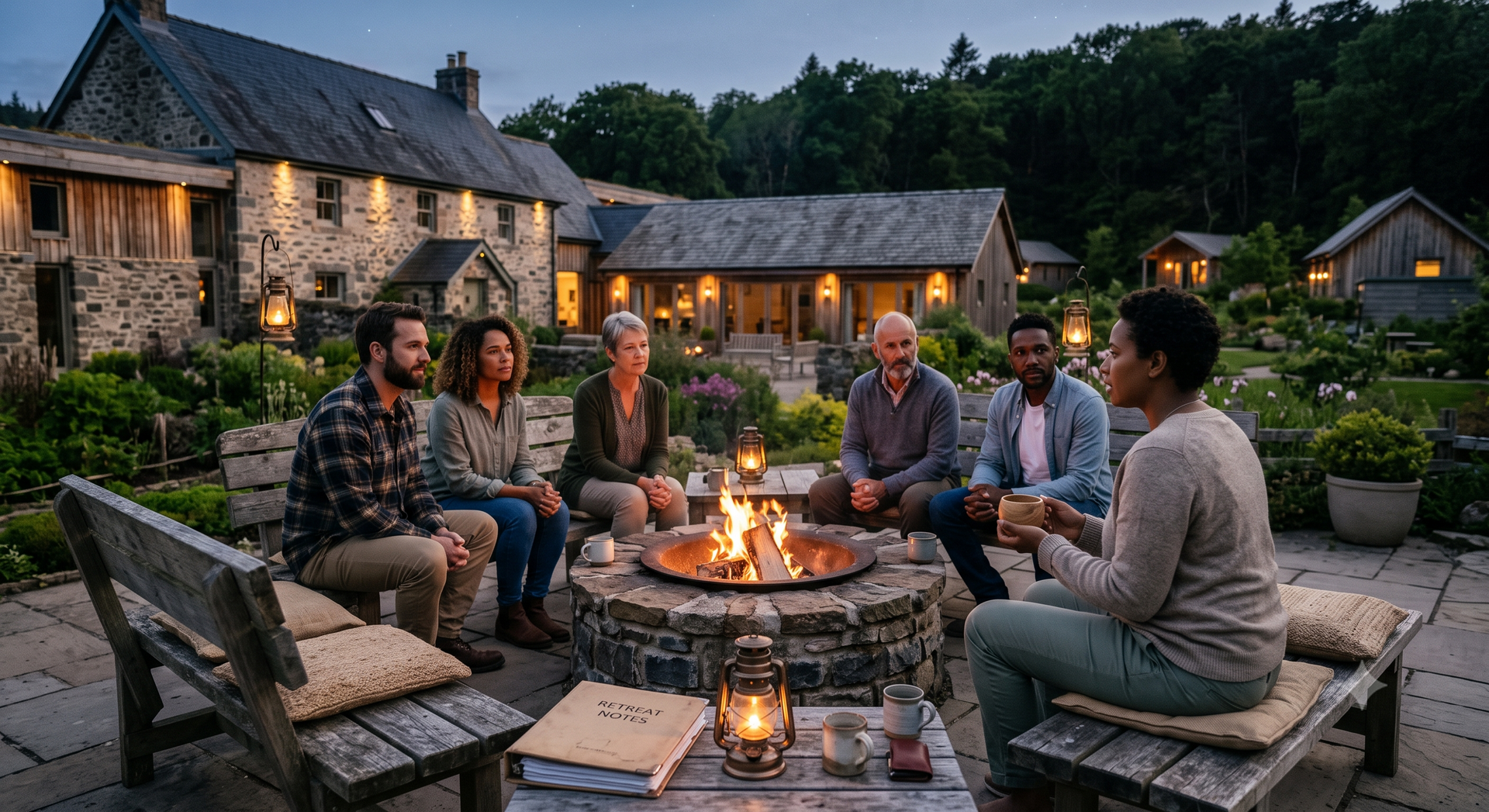
At the center of this idea is a simple truth: when individuals care for their physical health, emotional awareness, and inner balance, they build a stronger foundation for lasting wellbeing.
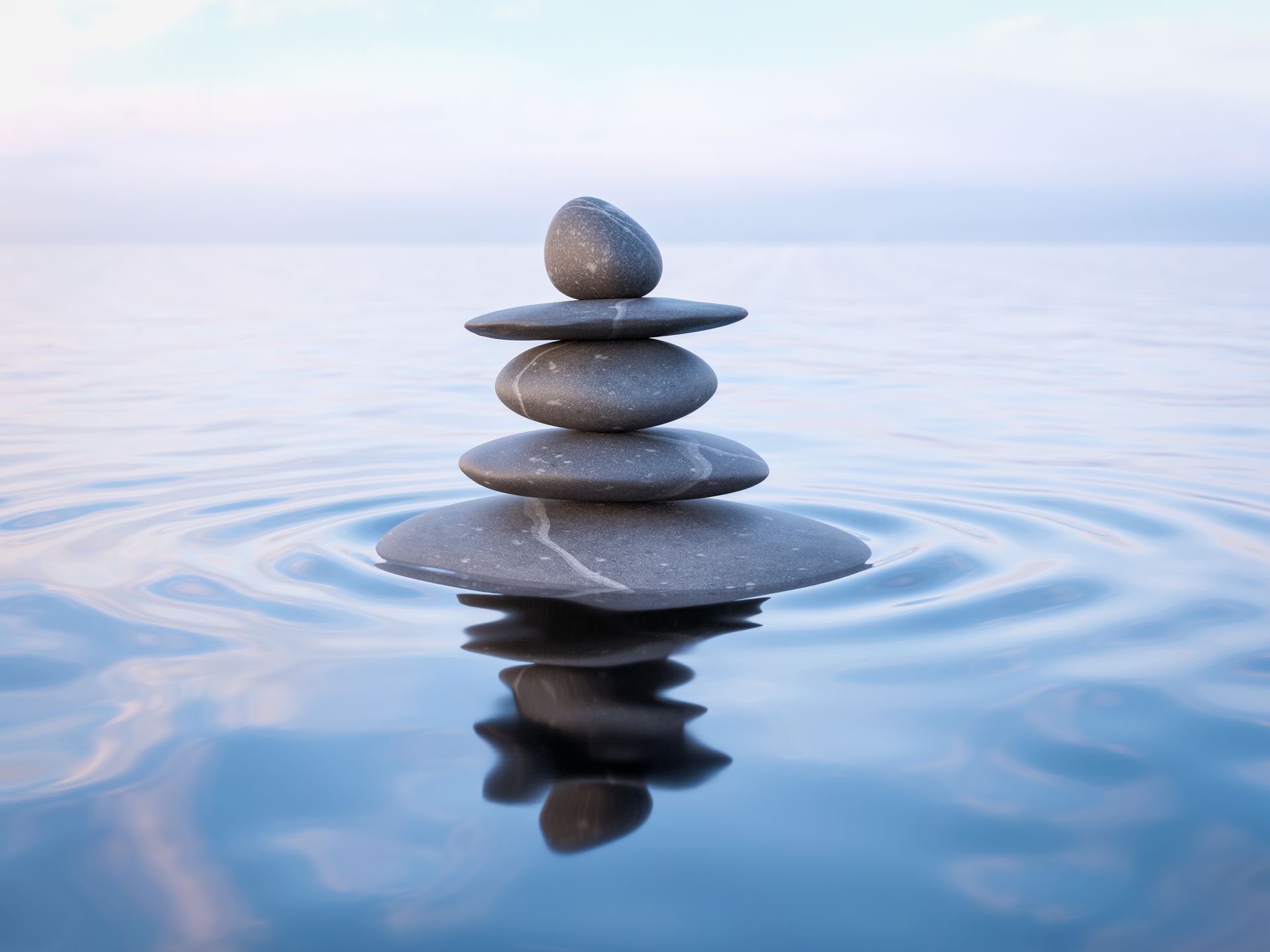
Awakening Inner Balance: Understanding the Energy of the Mind, Body, and Spirit
Why Balance Is Essential for Modern Wellbeing
In the modern world, life often feels fragmented. Work demands, family responsibilities, financial pressures, and constant digital distractions can leave individuals feeling overwhelmed and disconnected from themselves. Many people focus heavily on productivity and achievement while unintentionally neglecting their emotional and spiritual wellbeing.
True wellness, however, goes beyond physical health. It involves achieving harmony between the mind, body, and inner sense of purpose. When these aspects of life are aligned, individuals often experience greater clarity, resilience, and emotional stability.
Across cultures and traditions, this idea of inner balance has long been recognized as a key element of health. From ancient philosophies to modern wellness practices, the integration of physical vitality, mental clarity, and emotional awareness forms the foundation of holistic wellbeing.
The Mind–Body Connection
For centuries, medical systems and spiritual traditions have emphasized the powerful relationship between the mind and the body. Today, modern science continues to validate this connection.
The brain and body communicate constantly through complex networks of nerves, hormones, and chemical signals. Emotional states can influence physical health, while physical habits can affect mood and mental clarity.
For example:
- Chronic stress can contribute to fatigue, digestive issues, and weakened immunity.
- Physical activity can improve mood by releasing endorphins and reducing anxiety.
- Sleep deprivation can affect concentration, emotional stability, and decision-making.
Recognizing this connection helps individuals approach wellness from a more integrated perspective.
Rather than treating the mind and body as separate systems, holistic health encourages individuals to nurture both simultaneously.
The Role of Emotional Awareness
Emotional awareness is an important component of inner balance. Many people move quickly through daily responsibilities without fully processing their emotions.
Over time, unaddressed emotions can accumulate and manifest as stress, irritability, or mental exhaustion.
Developing emotional awareness involves learning to recognize and understand one’s emotional experiences without judgment.
Practices that support emotional awareness include:
- Journaling about personal experiences
- Reflecting on emotional reactions during challenging situations
- Talking openly with trusted friends or mentors
- Practicing mindfulness or meditation
When individuals become more aware of their emotional patterns, they gain greater control over how they respond to stress and challenges.
Mindfulness as a Path to Inner Harmony
Mindfulness has become one of the most widely practiced wellness techniques for cultivating inner balance.
At its core, mindfulness involves paying attention to the present moment with curiosity and acceptance. Instead of becoming caught in worries about the future or regrets about the past, mindfulness encourages individuals to focus on the here and now.
Regular mindfulness practice can help individuals:
- Reduce stress and anxiety
- Improve emotional regulation
- Increase concentration and focus
- Enhance overall wellbeing
Mindfulness practices do not require complex rituals. Simple exercises such as deep breathing, body scans, or mindful walking can provide meaningful benefits.
Even brief daily moments of mindfulness can help individuals reconnect with themselves and restore emotional equilibrium.
Physical Health as the Foundation of Balance
Physical wellbeing forms a critical pillar of overall health. When the body feels strong and energized, individuals often experience improved mental clarity and emotional stability.
Key aspects of physical health include:
Nutrition
Balanced nutrition provides the body with essential nutrients that support energy levels, cognitive function, and immune health.
A nutritious diet typically includes:
- Whole fruits and vegetables
- Lean proteins
- Healthy fats
- Whole grains
- Adequate hydration
Rather than focusing on restrictive diets, many wellness experts encourage individuals to cultivate a mindful and balanced approach to eating.
Movement
Regular physical activity supports both physical and mental health.
Exercise improves cardiovascular health, strengthens muscles, and promotes the release of endorphins that enhance mood.
Activities such as yoga, walking, swimming, and cycling provide both physical exercise and mental relaxation.
Rest and Recovery
Sleep plays an essential role in restoring both the body and the mind.
Quality sleep allows the brain to process information, regulate emotions, and repair physical tissues.
Establishing consistent sleep routines can significantly improve energy, mood, and cognitive performance.
Exploring the Spiritual Dimension of Wellness
While physical and mental health often receive the most attention, the spiritual dimension of wellbeing is equally important for many individuals.
Spiritual wellness does not necessarily refer to religious practices. Instead, it involves cultivating a sense of purpose, meaning, and connection to something larger than oneself.
People often nurture spiritual wellbeing through activities such as:
- Meditation or prayer
- Spending time in nature
- Engaging in creative expression
- Practicing gratitude
- Reflecting on personal values and goals
These practices help individuals develop a deeper sense of identity and purpose.
When individuals feel connected to their values and beliefs, they often experience greater emotional stability and resilience.
The Importance of Self-Compassion
Many people hold themselves to extremely high standards, often criticizing themselves when they fall short of expectations.
Self-compassion offers a healthier alternative.
Practicing self-compassion involves treating oneself with the same kindness and understanding that one would offer a friend.
Research suggests that self-compassion can:
- Reduce stress and anxiety
- Improve emotional resilience
- Encourage healthier lifestyle choices
- Increase motivation for personal growth
Instead of focusing on perfection, self-compassion encourages individuals to acknowledge their efforts and learn from mistakes.
Nature as a Source of Balance
Spending time in natural environments can significantly improve mental and emotional wellbeing.
Nature provides a peaceful contrast to the constant stimulation of modern life. Whether walking through a park, hiking in the mountains, or simply sitting outdoors, nature offers opportunities for reflection and relaxation.
Studies have shown that time spent in nature can:
- Reduce stress hormones
- Improve mood and mental clarity
- Enhance creativity and problem-solving
- Support overall wellbeing
Nature reminds individuals of life’s natural rhythms and encourages a slower, more reflective pace.
Cultivating Balance Through Daily Habits
Achieving inner balance does not require dramatic life changes. Instead, small daily habits often produce the most sustainable results.
Examples of balance-supporting habits include:
- Beginning the day with mindful breathing or reflection
- Scheduling regular movement or exercise
- Setting boundaries between work and personal time
- Taking short breaks to rest and recharge
- Ending the day with gratitude or journaling
Over time, these practices create a lifestyle that supports harmony between the mind, body, and spirit.
The Ongoing Journey Toward Wellness
Balance is not a fixed destination but an ongoing process. Life continually presents new challenges, responsibilities, and opportunities for growth.
Rather than striving for perfection, individuals can focus on maintaining awareness and adaptability.
By nurturing physical health, emotional awareness, and spiritual connection, people create a foundation that supports resilience and fulfillment.
When the mind, body, and spirit work together in harmony, individuals often discover a deeper sense of peace and purpose.
In a world that often feels chaotic and fast-paced, cultivating inner balance becomes one of the most valuable investments in personal wellbeing.
Share Articles and Blogs
Recent Articles and Blogs