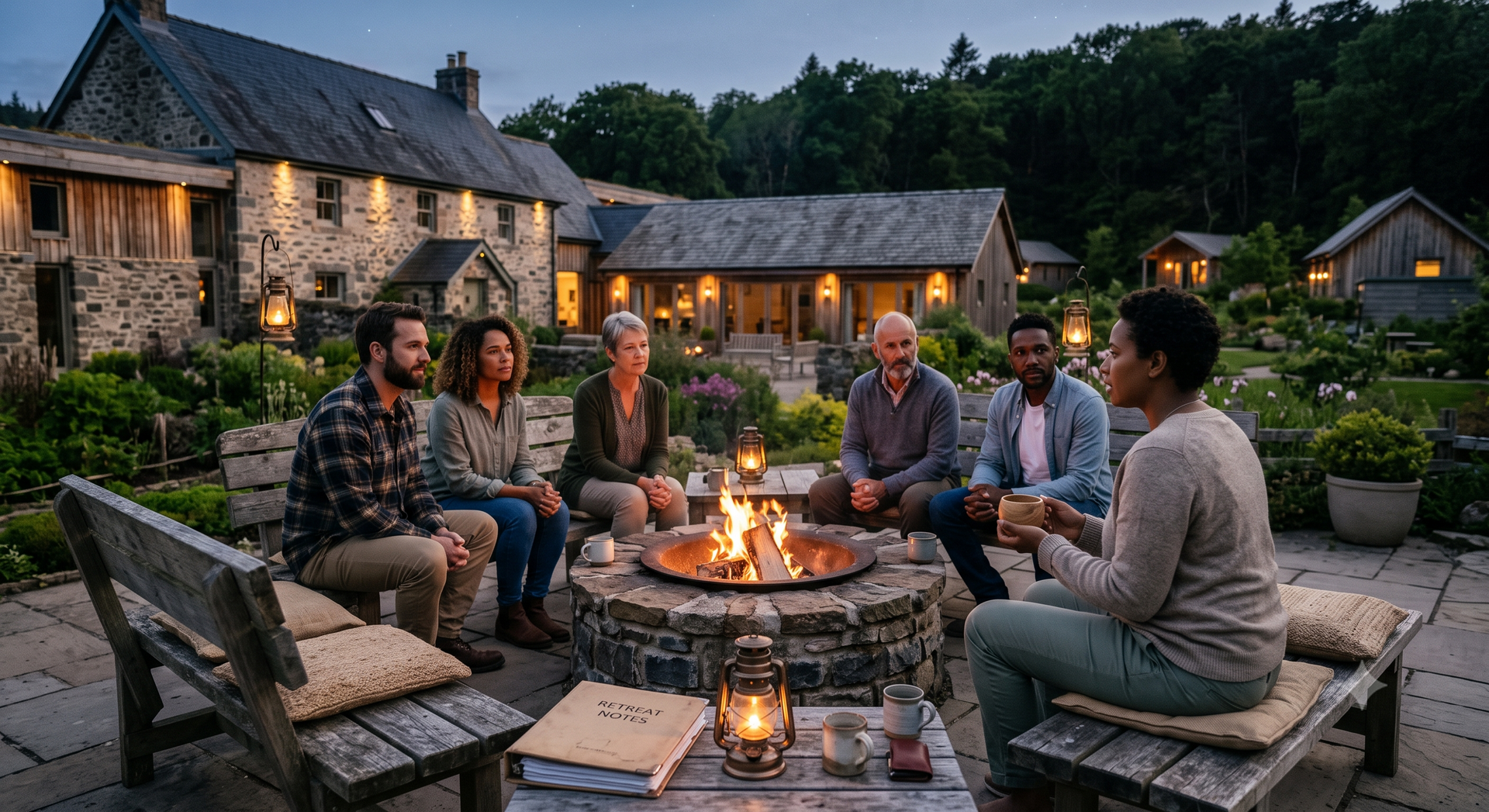
This discussion reflects the enduring wisdom found in traditional healing systems, reminding us that true wellness often begins with balance between the body, mind, and the natural world.
Natural Healing Traditions: How Ancient Wellness Practices Still Support Modern Health
The Enduring Wisdom of Traditional Healing
Across centuries and cultures, societies have developed systems of healing that focus on restoring balance in the body and mind. Long before modern medical technologies existed, traditional health practices were built around careful observation of nature, human behavior, and the body’s natural ability to heal.
Today, while modern medicine has made extraordinary advancements, many people are rediscovering the value of traditional wellness practices. These approaches often focus on prevention, lifestyle balance, and the integration of mind and body health.
Traditional healing methods do not necessarily replace modern medical care. Instead, they often complement it by supporting overall wellbeing and encouraging healthy habits.
Understanding these ancient traditions can provide valuable insights into sustainable approaches to health.
The Concept of Balance in Traditional Healing
A common theme across many traditional healing systems is the concept of balance.
Ancient practitioners believed that health occurs when the body’s internal systems remain in harmony with each other and with the surrounding environment. When this balance is disrupted, illness or discomfort may arise.
Different cultures have expressed this concept in unique ways:
- Traditional Chinese medicine describes balance between opposing forces known as yin and yang.
- Ayurvedic medicine from India emphasizes the balance of internal energies known as doshas.
- Many Indigenous healing traditions focus on harmony between the body, spirit, community, and nature.
Although these systems developed independently, they share the idea that health depends on maintaining equilibrium within the body and environment.
Traditional Herbal Medicine
Plants have been used as healing tools for thousands of years. Herbal medicine remains one of the oldest and most widespread forms of healthcare.
Traditional healers observed the effects of plants on the human body and developed remedies to support various aspects of health.
Examples of traditional herbal practices include:
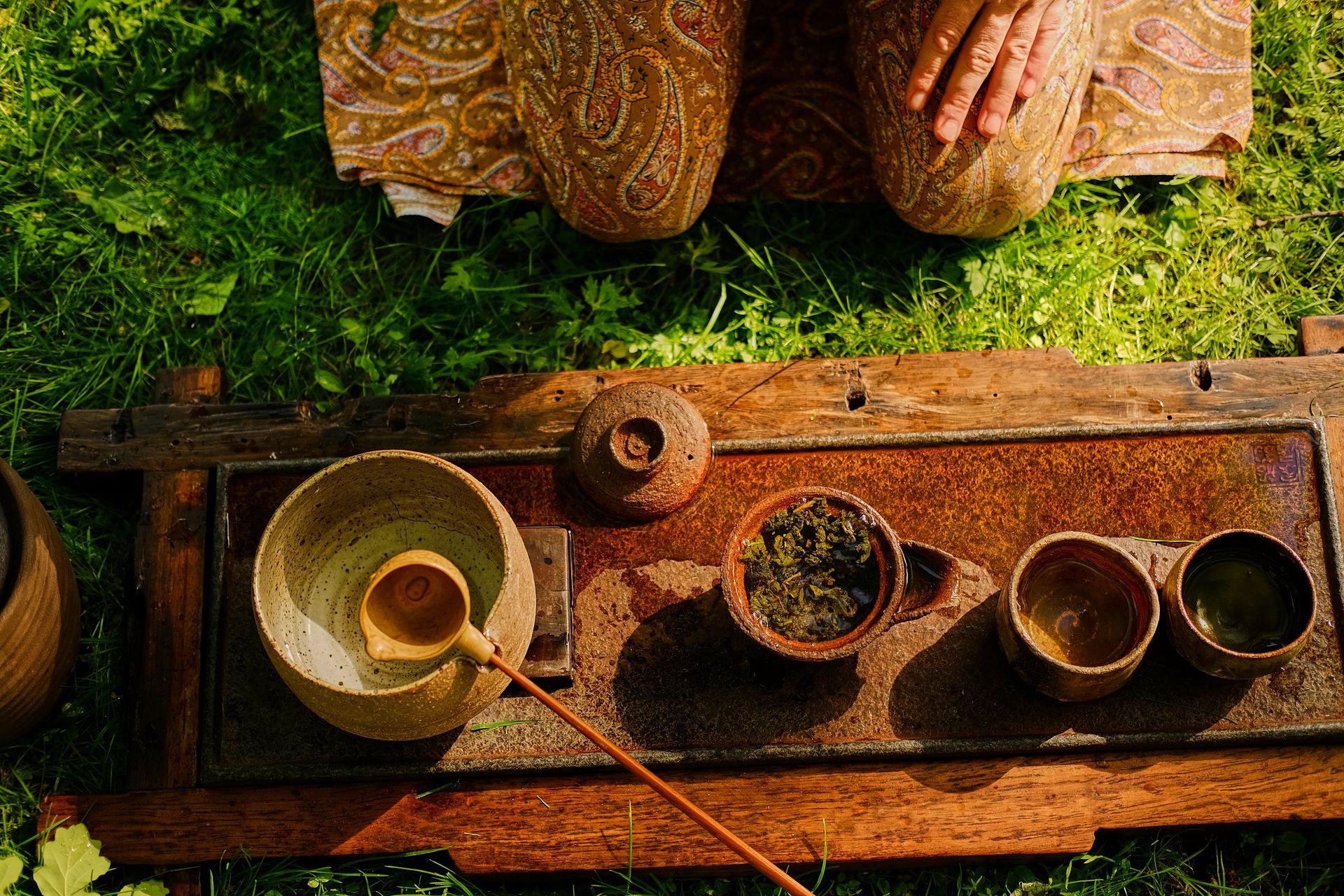
- Herbal teas used to support digestion or relaxation
- Natural plant extracts used to support immunity
- Roots and leaves prepared to soothe inflammation or discomfort
Today, many modern medicines are derived from compounds originally discovered in plants. While scientific research continues to explore these traditional remedies, herbal medicine remains an important part of wellness practices in many cultures.
Mind–Body Practices in Traditional Healing
Many traditional healing systems recognize the strong connection between the mind and body.
Rather than treating physical symptoms alone, these traditions often incorporate practices that support mental clarity, emotional balance, and physical wellbeing simultaneously.
Examples include:
- Meditation practices that calm the mind and reduce stress
- Breathing techniques that regulate energy and relaxation
- Movement practices such as yoga or tai chi that integrate physical strength with mental focus
These practices help individuals develop awareness of their bodies and cultivate a sense of inner balance.
Modern research increasingly supports the benefits of these approaches for stress reduction, emotional regulation, and overall health.
The Role of Diet in Traditional Medicine
Food has long been considered a form of medicine in many traditional healing systems.
Ancient practitioners believed that certain foods could support healing, strengthen the body, and prevent illness.
Traditional dietary approaches often emphasize:
- Whole, minimally processed foods
- Seasonal ingredients
- Balanced combinations of nutrients
- Moderation and mindful eating
These principles align closely with many modern nutrition recommendations that promote balanced diets rich in natural foods.
By viewing food as nourishment rather than restriction, traditional medicine encourages a sustainable approach to health.
Healing Through Nature
Nature has always played a central role in traditional wellness practices.
Many cultures believe that spending time in natural environments supports healing and restores balance.
Natural environments offer benefits such as:
- Reduced stress levels
- Improved mood and emotional wellbeing
- Increased physical activity
- Greater connection with natural rhythms
Practices such as forest walks, outdoor meditation, and nature-based rituals reflect the understanding that human health is closely connected to the environment.
Modern wellness movements increasingly recognize the psychological and physical benefits of reconnecting with nature.
Preventative Health in Traditional Systems
Another important principle of traditional healing is prevention.
Rather than waiting for illness to occur, many ancient health systems focus on maintaining balance and preventing disease through daily habits.
Preventative practices often include:
- Balanced nutrition
- Regular movement and physical activity
- Adequate rest and sleep
- Stress management techniques
- Seasonal lifestyle adjustments
By maintaining healthy routines, individuals can strengthen their bodies and reduce the likelihood of illness.
This preventative approach aligns with modern public health strategies that emphasize lifestyle-based wellness.
Integrating Traditional Wisdom With Modern Medicine
Today, many healthcare professionals recognize the potential benefits of combining traditional wellness practices with modern medical knowledge.
Integrative health approaches may include:
- Evidence-based herbal supplements
- Mindfulness and stress reduction practices
- Yoga or movement therapy
- Nutritional guidance based on whole foods
When used responsibly and alongside professional medical care, traditional wellness practices can support physical, emotional, and mental wellbeing.
This integrative approach encourages individuals to take a more active role in maintaining their health.
Respecting Cultural Healing Traditions
Traditional healing systems are deeply connected to the cultural knowledge of communities around the world.
Respecting these traditions involves recognizing their historical significance and the wisdom passed down through generations.
Many of these practices reflect centuries of careful observation and experience.
By learning about different healing traditions, individuals can develop a broader understanding of how health and wellbeing are supported across cultures.
A Holistic Perspective on Health
One of the most valuable lessons from traditional healing systems is the importance of viewing health holistically.
Physical health, emotional wellbeing, social connection, and environmental harmony all contribute to a balanced life.
Ancient traditions remind us that wellness is not achieved through isolated treatments alone. Instead, it develops through consistent habits that support the whole person.
Rediscovering Ancient Wisdom
As modern society continues to evolve, interest in traditional wellness practices is growing once again.
People are increasingly seeking approaches that emphasize prevention, natural balance, and long-term wellbeing.
Ancient healing traditions offer valuable insights that complement modern scientific understanding of health.
By combining traditional wisdom with modern medical knowledge, individuals can develop more comprehensive approaches to maintaining their wellbeing.
Share Articles and Blogs
Recent Articles and Blogs