A reflection on how responsible leadership in martial arts helps create supportive communities where students grow in confidence, discipline, and wellbeing.
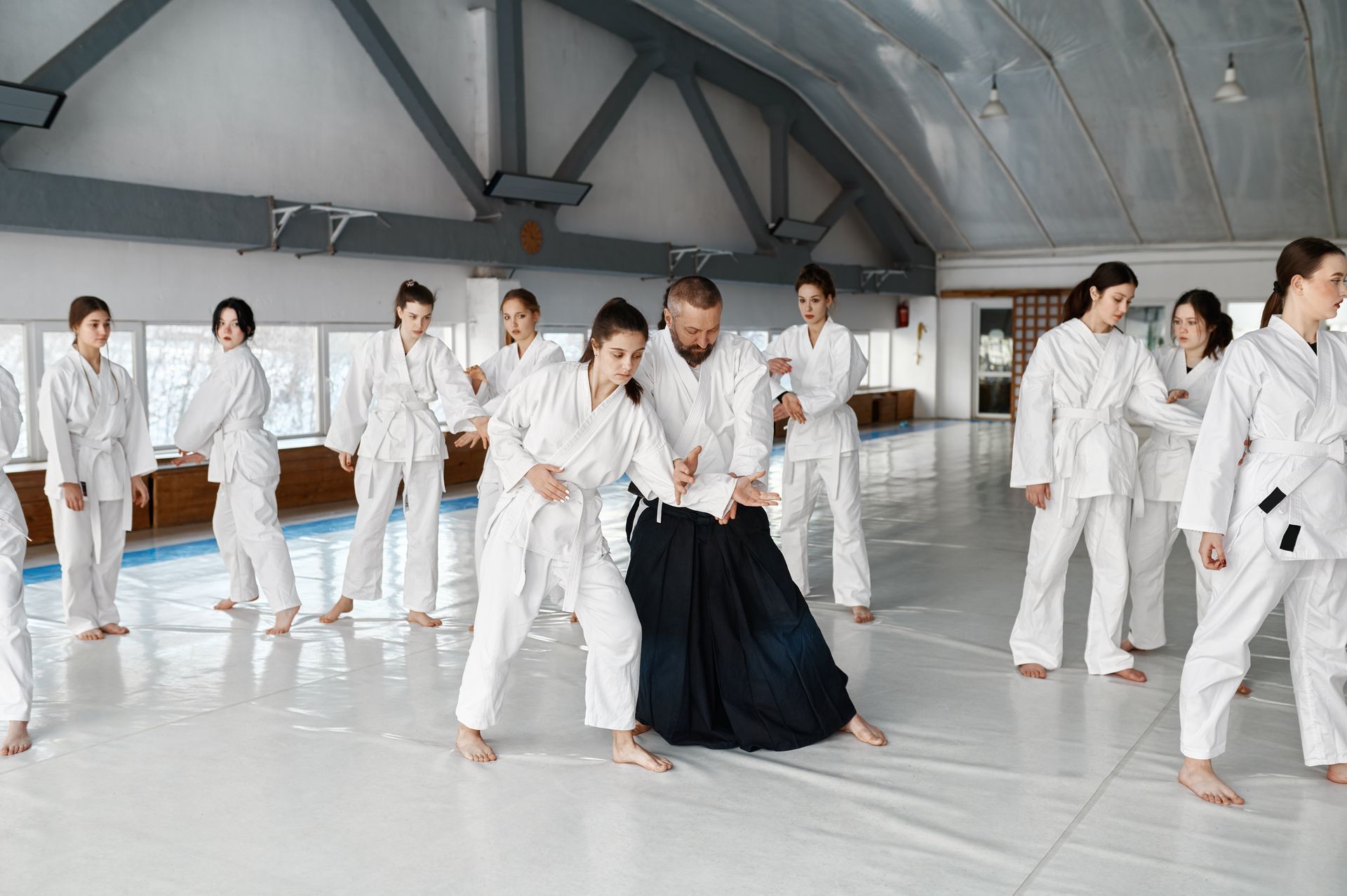
Martial arts schools are often recognised for the techniques they teach—strikes, throws, defensive strategies, and the training methods used to develop physical skill. Yet the true strength of a martial arts school is not defined solely by technique or competition success.
It is defined by the culture created within the school.
An instructor shapes that culture every day. The tone of a class, the expectations placed on students, and the values reinforced during training all influence the experience people have inside the dojo.
When guided correctly, a martial arts school becomes more than a place to practice techniques. It becomes an environment that supports physical health, mental clarity, confidence, and a strong sense of belonging. In other words, it becomes a place where people can improve their overall wellbeing.
Creating this type of environment is one of the most important responsibilities any instructor carries.
Setting the Tone for Healthy Training
Students often mirror the behaviour of their instructor. If the instructor approaches training with discipline, patience, and respect, those same qualities tend to develop within the student body.
This influence extends beyond technical instruction.
A healthy martial arts culture encourages students to train hard while also respecting their own limits and the safety of their training partners. Students learn to push themselves, but not recklessly. They learn to challenge themselves while maintaining control and awareness.
When instructors promote balanced training habits, students begin to understand that martial arts is not about aggression or domination. It is about developing strength, control, and personal responsibility.
This perspective contributes significantly to long-term wellbeing.
Safety and Longevity in Training
Wellbeing in martial arts begins with safety.
Students should leave training feeling stronger and more energised, not injured or discouraged. For this reason, instructors must ensure that training methods are appropriate for the skill level and physical ability of their students.
A responsible instructor emphasises proper warm-ups, controlled drilling, and correct technique before increasing intensity.
Beginners need time to develop coordination and understanding. More advanced students may explore more demanding training methods, but even then, safety must remain a priority.
Longevity is an important concept in martial arts. The goal is not simply to train hard for a short period of time, but to continue training for many years.
By creating safe and sustainable training environments, instructors allow students to enjoy the long-term health benefits that martial arts can provide.
Supporting Mental Wellbeing
While martial arts is often associated with physical skill, the mental benefits of training are equally important.
Many students arrive at the dojo carrying stress from work, family responsibilities, or everyday life. A well-structured training session provides an opportunity to release that stress through purposeful movement and focused attention.
Instructors contribute to this process by creating an environment where students feel welcomed and supported.
Clear instruction, positive encouragement, and structured training routines help students remain focused on learning rather than worrying about mistakes.
Over time, students develop greater confidence and emotional balance. They learn to approach challenges with patience and determination.
In this way, martial arts training can become an important part of maintaining mental wellbeing.
Encouraging Personal Development
Every student who walks through the doors of a martial arts school brings their own goals and challenges.
Some may seek fitness. Others may look for confidence or discipline. Younger students may need guidance in developing focus and respect.
Instructors must recognise that martial arts training offers an opportunity to support these different needs.
Progress should not be measured solely by belts or technical ability. It should also be seen in improved confidence, stronger discipline, and better habits outside the dojo.
When instructors acknowledge and encourage these forms of progress, students begin to see martial arts as more than physical training. They begin to see it as a path for personal development.
Creating a Supportive Community
One of the most powerful aspects of martial arts training is the community that forms within a school.
Students train together, help each other improve, and share the experience of learning new skills. Beginners often rely on encouragement from more experienced students, while advanced practitioners gain satisfaction from helping others grow.
Instructors play a key role in fostering this supportive environment.
By encouraging cooperation rather than excessive competition, instructors help students develop positive relationships with one another.
This sense of belonging is extremely valuable. When individuals feel connected to a community, they are more likely to maintain healthy habits and remain engaged in activities that support their wellbeing.
For many students, their martial arts school becomes more than a training facility. It becomes a place where they feel motivated, supported, and respected.
Leading by Example
Perhaps the most powerful teaching tool any instructor possesses is their own behaviour.
Students observe how instructors respond to challenges, how they treat others, and how they approach their own training.
When instructors demonstrate humility, discipline, and consistency, students naturally adopt those same values.
Leadership in martial arts is not simply about technical authority. It is about demonstrating the qualities that martial arts is meant to develop.
By leading through example, instructors help create an environment where students learn not only techniques, but also the attitudes and habits that contribute to a healthy life.
The Long-Term Impact of Positive Leadership
The influence of a martial arts instructor often extends far beyond the training hall.
Students carry the lessons they learn into their daily lives. The discipline developed during training may influence their work habits. The confidence gained through martial arts may improve their relationships. The respect practiced in the dojo may shape how they interact with others in their communities.
This broader impact is why the instructor’s role is so important.
A well-run martial arts school does more than teach physical skills. It helps individuals become stronger, more confident, and more balanced in all areas of life.
A Responsibility Worth Embracing
Martial arts instructors hold a unique position of influence.
By creating training environments that prioritise safety, respect, discipline, and community, instructors can support the overall wellbeing of their students.
When these values guide instruction, martial arts becomes far more than a system of techniques.
It becomes a positive force that helps individuals grow physically, mentally, and socially.
And that is the true responsibility—and the lasting privilege—of being a martial arts instructor.
Share Articles and Blogs
Recent Articles and Blogs