How martial arts training evolves from learning self-defence into a lifelong journey of discipline, resilience, and personal growth.
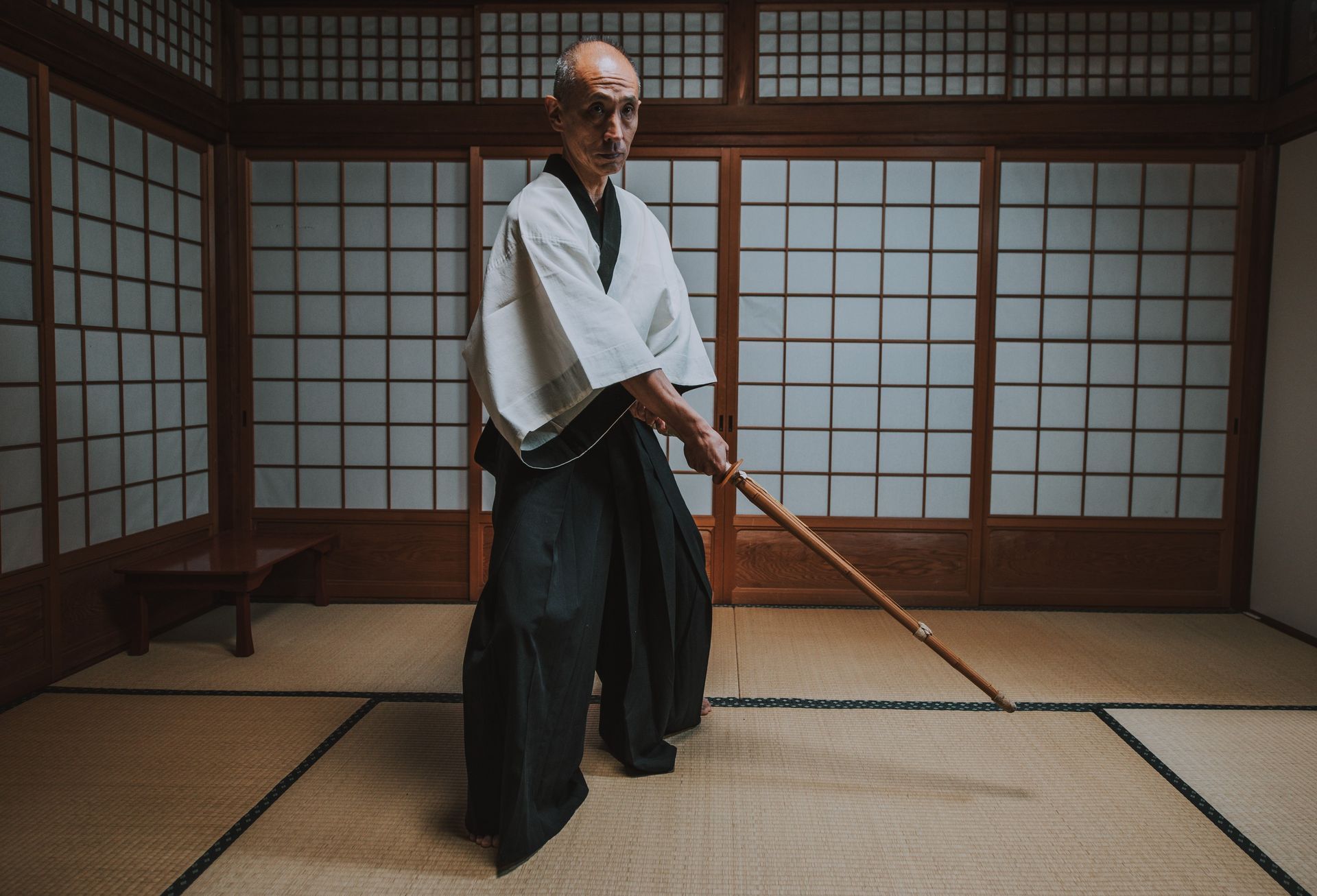
From Self-Defence to Self-Mastery
Wellness Lessons from a Lifetime in Martial Arts
Many people first approach martial arts with a very practical goal in mind: learning how to defend themselves.
This is a reasonable and important motivation. The ability to protect oneself and others has always been one of the foundational purposes of martial arts training. However, those who remain in the arts long enough soon discover that self-defence is only the beginning.
Over time, martial arts reveals itself as something far deeper.
The journey that begins with learning how to defend oneself gradually evolves into a process of self-development. Through years of training, practitioners learn not only how to move effectively but also how to think clearly, act responsibly, and develop greater control over themselves.
In this way, martial arts transforms from a system of self-defence into a pathway toward self-mastery.
The First Step: Learning to Protect Yourself
For beginners, martial arts training typically focuses on practical skills.
Students learn how to move safely, how to maintain balance, and how to respond to common self-defence situations. They practice striking techniques, defensive movements, and methods for creating distance from potential threats.
These skills provide a sense of security.
Knowing that one possesses the ability to respond effectively in a difficult situation can increase personal confidence and awareness. Students begin to carry themselves differently. Their posture improves, their awareness sharpens, and their reactions become more controlled.
However, as students continue training, they begin to realise that the greatest benefit of martial arts lies not in fighting, but in avoiding unnecessary conflict altogether.
Understanding Control
A fundamental lesson in martial arts is the concept of control.
At first, this refers primarily to physical control. Students learn to execute techniques with precision and restraint. Power must be balanced with accuracy, and speed must be balanced with safety.
Over time, however, control extends beyond the physical.
Practitioners begin to develop greater control over their emotions and reactions. Situations that might once have triggered frustration or aggression are now approached with calm and clarity.
This shift is significant.
The true strength of a martial artist lies not in their ability to strike but in their ability to remain composed under pressure. The discipline developed through training helps individuals respond thoughtfully rather than react impulsively.
The Discipline of Consistency
Self-mastery cannot be achieved through occasional effort. It requires consistent training over many years.
Martial arts provides a structured environment where this consistency becomes part of daily life. Students attend classes regularly, refine their techniques, and gradually deepen their understanding of the art.
This repetition may appear simple, but it teaches powerful lessons.
Each training session reinforces the importance of patience and persistence. Techniques that once felt awkward gradually become natural through dedicated practice.
Students learn that improvement is rarely immediate. Instead, progress occurs through steady effort and a willingness to continue learning.
These lessons extend far beyond martial arts. The same discipline that improves technique can also support success in other areas of life.
Awareness and Responsibility
As practitioners gain experience, their perspective on martial arts often changes.
The early stages of training may focus on physical ability and technical knowledge. With time, however, students begin to appreciate the responsibility that comes with those skills.
Martial arts training emphasises awareness—both of one’s surroundings and of one’s own actions.
Students are taught that martial arts should never be used recklessly or irresponsibly. Instead, the skills developed through training are intended to protect, guide, and serve others when necessary.
This understanding reinforces the ethical dimension of martial arts.
A true martial artist recognises that strength must always be accompanied by responsibility.
The Role of Humility
One of the most valuable qualities developed through long-term martial arts training is humility.
No matter how experienced a practitioner becomes, there is always more to learn. Techniques can always be refined. Strategies can always be improved.
This awareness encourages practitioners to remain open-minded and respectful toward others.
In many martial arts schools, beginners train alongside highly experienced practitioners. Despite differences in skill level, everyone shares the same learning environment and the same commitment to improvement.
This atmosphere reinforces the idea that martial arts is a journey rather than a destination.
The Wellness of Self-Mastery
Self-mastery involves more than technical skill.
It requires balance between physical health, mental clarity, and emotional stability. Martial arts training naturally supports these qualities through its structured practice.
Regular training strengthens the body and improves overall fitness. Mental focus developed through learning techniques enhances concentration and awareness. The discipline of training encourages patience and resilience.
Together, these elements contribute to long-term wellbeing.
Practitioners often find that martial arts helps them manage stress, maintain focus, and approach challenges with greater confidence.
A Lifetime of Learning
One of the most remarkable aspects of martial arts is that it offers opportunities for growth throughout an entire lifetime.
Young students may focus on physical development and competitive goals. As they gain experience, their understanding deepens.
Later in life, many practitioners discover that the greatest rewards of martial arts lie in teaching, mentoring, and sharing knowledge with others.
The lessons learned over years of training become valuable not only for personal development but also for guiding the next generation of martial artists.
The True Purpose of Training
Looking back on many years in martial arts, it becomes clear that the true purpose of training extends far beyond self-defence techniques.
Martial arts teaches individuals how to develop discipline, manage their emotions, and act with integrity. It encourages continuous improvement and lifelong learning.
Most importantly, it reminds practitioners that the greatest opponent they will ever face is themselves.
Overcoming impatience, fear, doubt, and ego requires far more effort than mastering any physical technique.
Yet it is precisely this journey of self-improvement that makes martial arts so valuable.
The Path Forward
Self-defence may be the doorway into martial arts, but self-mastery is the path that lies beyond it.
Those who commit to training over many years discover that martial arts offers far more than physical ability. It provides a framework for living with discipline, awareness, and respect.
For those willing to walk this path, martial arts becomes not just a skill—but a lifelong guide to personal growth and wellbeing.
Share Articles and Blogs
Recent Articles and Blogs