How martial arts training nurtures lifelong strength, resilience, and balance by supporting both physical health and mental wellbeing.
Training for Life
How Martial Arts Builds Physical and Mental Longevity
When many people begin martial arts training, they are motivated by immediate goals. They may want to improve fitness, learn self-defence, or challenge themselves with something new. While these are all worthwhile reasons to start, those who remain in martial arts long enough discover something deeper.
Martial arts is not simply a short-term activity. It is a lifelong practice.
Over decades of involvement in martial arts—as a student, instructor, and advocate for the industry—I have seen how consistent training contributes not only to physical strength but also to mental resilience and long-term wellbeing. When approached correctly, martial arts becomes a system for developing longevity in both body and mind.
A Sustainable Approach to Physical Health
Many modern fitness trends encourage high-intensity workouts designed to produce quick results. While these methods may generate short bursts of progress, they are often difficult to sustain over many years.
Martial arts training takes a different approach.
Rather than focusing solely on immediate performance, martial arts emphasises gradual development. Techniques are refined over time, and physical conditioning evolves alongside technical skill. This approach encourages practitioners to build a strong foundation that supports long-term health.
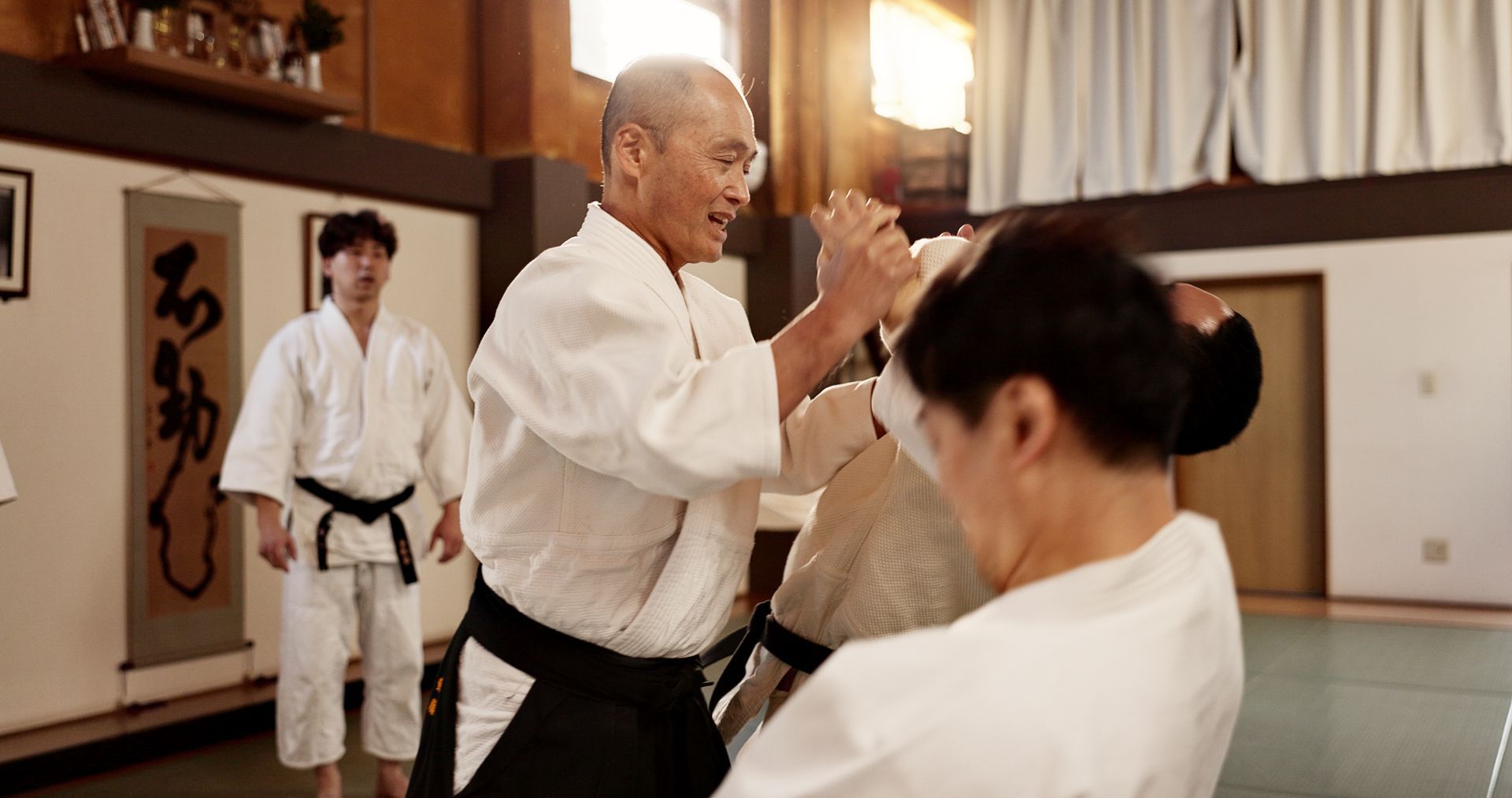
Training in martial arts improves strength, balance, flexibility, and coordination. These qualities are essential not only for athletic performance but also for maintaining mobility as we age. Students learn how to move efficiently, protect their joints, and develop body awareness that reduces the risk of injury.
One of the advantages of martial arts is its adaptability. Whether a student is twenty or sixty, training can be modified to suit their individual capabilities. The goal is not to push beyond safe limits but to maintain consistent progress over time.
In this way, martial arts supports sustainable physical health rather than temporary fitness goals.
The Role of Discipline in Longevity
Longevity is rarely achieved through occasional bursts of effort. Instead, it is built through consistency.
Martial arts training encourages this consistency through structured routines and clear progression. Students attend classes regularly, practice techniques repeatedly, and gradually develop greater skill and confidence.
This process reinforces an important lesson: meaningful progress takes time.
The discipline required to maintain regular training becomes a powerful tool for personal development. Students learn to show up even when motivation fluctuates. They learn that improvement often happens gradually rather than instantly.
These habits extend beyond the training environment. The discipline cultivated through martial arts often influences other aspects of life, including work, health, and relationships.
Strengthening the Mind
While physical conditioning is an important part of martial arts, mental development plays an equally significant role.
Training requires concentration and awareness. Students must remain attentive to their movements, their breathing, and their surroundings. Whether practicing forms, drilling techniques, or sparring with a partner, focus is essential.
Over time, this mental engagement strengthens cognitive resilience.
Students develop patience and composure under pressure. They learn to remain calm while solving problems in dynamic situations. These skills become valuable not only in martial arts but also in everyday life.
Many practitioners also experience improvements in emotional balance. Training provides a constructive outlet for stress and tension. The physical exertion combined with mental focus often leaves students feeling clearer and more grounded after each class.
Learning to Adapt
Another key aspect of longevity in martial arts is adaptability.
No practitioner remains the same throughout their training journey. Physical capabilities evolve with age, experience, and lifestyle changes. Martial arts encourages practitioners to adapt their approach rather than abandon their practice.
In younger years, training may emphasise speed, power, and competition. As practitioners mature, the focus often shifts toward efficiency, strategy, and technical precision.
This evolution reflects the deeper philosophy of martial arts: growth is continuous, and learning never truly ends.
Many of the most respected martial artists are those who have trained for decades. Their skill comes not only from physical ability but from accumulated knowledge and experience.
Community and Support
Longevity in martial arts is also supported by the strong sense of community found within many schools.
Students train together, encourage each other, and celebrate each other’s progress. Beginners learn from experienced practitioners, while instructors guide students through each stage of development.
This supportive environment creates motivation that extends beyond personal goals. Training partners become part of a shared journey.
For many practitioners, the martial arts school becomes more than just a place to exercise. It becomes a community where individuals grow together, exchange knowledge, and support each other’s wellbeing.
Such connections contribute significantly to long-term engagement in training.
Martial Arts as a Lifelong Practice
One of the most remarkable aspects of martial arts is that it can be practiced throughout all stages of life.
Children develop coordination, confidence, and discipline. Teenagers learn resilience and responsibility. Adults maintain fitness while managing the demands of work and family life. Older practitioners preserve mobility, balance, and mental sharpness.
The goals of training may change over time, but the value of the practice remains constant.
For many individuals, martial arts becomes a lifelong companion—a structured activity that continues to offer challenges, lessons, and rewards year after year.
The Broader Impact of Longevity
The benefits of martial arts longevity extend beyond the individual practitioner.
Long-term practitioners often become mentors, instructors, and leaders within their communities. They share knowledge with the next generation and contribute to the preservation of martial arts traditions.
Their example demonstrates that martial arts is not simply about physical ability or competitive success. It is about personal development, discipline, and lifelong learning.
These values strengthen both individuals and the communities they serve.
A Commitment to Continuous Growth
Ultimately, martial arts longevity is built on commitment.
It requires patience, consistency, and a willingness to continue learning. The rewards of this commitment are significant: improved health, stronger mental resilience, meaningful relationships, and a deeper understanding of oneself.
Training for life does not mean striving for perfection. It means embracing the journey of continuous growth.
For those who choose to follow this path, martial arts becomes far more than a training activity. It becomes a way of living that supports wellbeing across a lifetime.
Share Articles and Blogs
Recent Articles and Blogs